
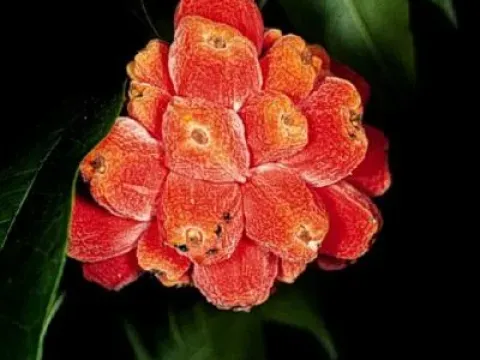
Maquira
Maquira
Maquira is a genus of evergreen trees belonging to the Moraceae family. These plants are native to the tropical rainforests of Central and South America, where they flourish in environments with high rainfall and consistent, warm temperatures throughout the year.
What the section contains

Maquira
The ideal growing environment for Maquira includes deep, fertile, and well-draining alluvial soils. While the trees are adapted to high humidity, they are highly sensitive to waterlogged conditions, which can lead to severe root stress and secondary fungal infections.
Within their natural habitat, Maquira trees often grow under the forest canopy. They exhibit a moderate tolerance to shade during the early stages of development, but as they mature, they require sufficient canopy space to reach their full physiological potential.
Agricultural management of Maquira involves maintaining soil health through mulching and ensuring that the drainage system remains clear. Because these trees are sensitive to sudden changes in light exposure, selective clearing of surrounding vegetation is recommended.
For successful cultivation, site selection is the most critical factor. Soils must be rich in organic matter to mimic the natural forest floor conditions, which support the development of a strong and extensive root system capable of nutrient absorption.
Maquira is primarily valued for its durable and high-quality timber. The wood is dense and naturally resistant to rot, making it highly sought after for construction, specialized joinery, and durable outdoor structures that require long-term resilience.
In addition to timber, certain species of Maquira produce edible fruit. These fruits contribute significantly to local food security in tropical regions and serve as a vital food source for diverse wildlife species that inhabit the forest ecosystems.
The economic yield of Maquira is largely determined by its biomass growth rate in plantation settings. When integrated into agroforestry systems, the tree provides a sustainable source of revenue while simultaneously helping to sequester carbon and improve soil structure.
The development of Maquira plantations has potential for long-term timber production. Careful management practices, such as proper spacing and periodic thinning, can maximize the volume and quality of the harvestable timber over the rotation period.
Research into the phytochemical properties of Maquira is ongoing, with potential applications in natural medicine. This adds another dimension to the tree’s economic value, potentially elevating its status as a versatile multipurpose crop in tropical regions.
The most common biological threats to Maquira include fungal pathogens that thrive in high-humidity tropical conditions. These pathogens can cause bark lesions and sapwood decay, which negatively impact the structural integrity and health of the tree.
Insect pests, particularly wood-boring beetles, represent a major risk to timber plantations. They tunnel through the trunk, compromising the quality of the wood and creating entry points for opportunistic pathogens that can spread throughout the plantation.
Climate change poses a significant threat to the long-term viability of Maquira populations. Shifts in rainfall patterns and increased frequency of extreme weather events disrupt the delicate balance required for the growth of these tropical trees.
Habitat loss due to deforestation is a critical concern, leading to the fragmentation of Maquira populations. This loss of biodiversity reduces the resilience of the species and increases its vulnerability to pests and diseases that adapt to stressed environments.
Integrated pest management strategies are essential to mitigate these threats. Regular field inspections and the prompt removal of infected or damaged trees are crucial to maintaining the health of the entire stand and preventing the spread of infestations.