
Morus latifolia
Morus latifolia
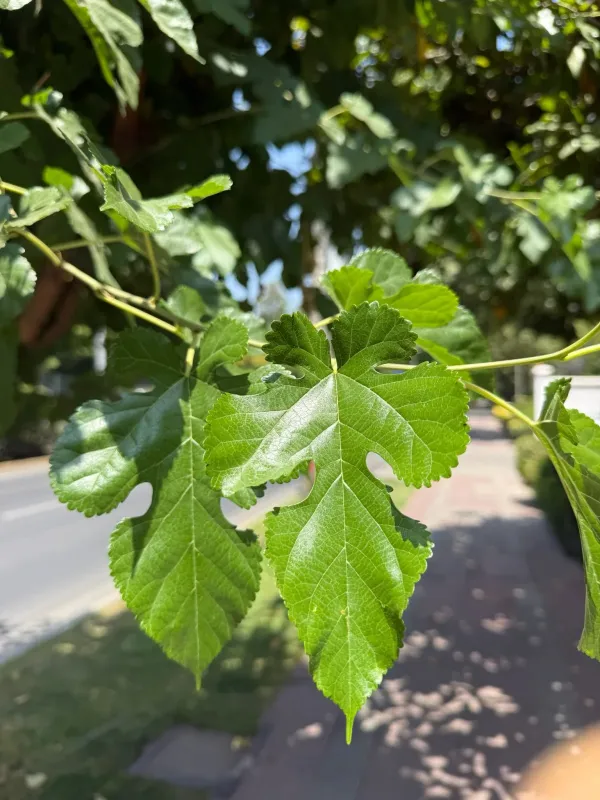
Description
Sowing dates
Planting of Morus latifolia seedlings is traditionally carried out in the spring period when the soil warms up to 10–12 degrees Celsius, or in early autumn.
For seed propagation, sowing is performed using stratified seeds, which are buried in loose substrate at a depth of no more than 1–2 centimeters to ensure optimal germination.
When establishing commercial plantations, it is important to maintain a distance between trees, providing free space of at least 4–5 meters to prevent competition for light.
The use of one or two-year-old seedlings with a well-developed root system significantly increases the survival rate of the crop at the permanent site in the first years.
An essential stage of spring work is the preparation of planting pits filled with organic fertilizers, creating a favorable start for the active vegetative growth of the young tree.
Growing requirements
Morus latifolia belongs to the Moraceae family and is a heat-loving crop that prefers sunny, sheltered areas with good natural light and protection from strong winds.
The crop is quite demanding on soil fertility, developing best in light loams or sandy soils with a neutral pH level, while poorly tolerating water stagnation in the root zone.
The tree possesses moderate drought tolerance, however, for high yields of marketable berries and leaf mass, regular irrigation is necessary during dry periods of the season.
The optimal temperature range for normal vegetation is 20–25 degrees Celsius, although the species can withstand short-term temperature drops, severe frosts may damage shoots.
In the system of agrotechnical measures, pruning plays an important role, aimed at crown formation and the removal of dry or damaged branches to stimulate tree renewal.
Yield
The yield of Morus latifolia depends directly on the tree age, varietal characteristics, and the quality of agrotechnical measures performed throughout the growing season.
Fruiting typically begins at 4–5 years of age, with full yield production observed during the period of intensive crown growth, starting from 8–10 years of age.
In commercial conditions, the proper application of mineral fertilizers containing nitrogen, phosphorus, and potassium allows for a significant increase in fruit mass and flavor.
The average productivity of one adult tree can vary widely, ranging from 50 to 150 kilograms of berries depending on the specific climatic zone and soil moisture levels.
Regular sanitary and formative pruning facilitates better penetration of sunlight into the crown, which prevents premature fruit drop and increases the total harvest volume.
Main diseases and pests
The most dangerous pest is the silkworm, which can cause significant damage to the leaf apparatus if sanitary standards are not maintained on the plantation.
Under conditions of high humidity, the crop is susceptible to fungal diseases, such as powdery mildew, appearing as a white coating on leaves and young shoots.
Bacteriosis is also possible, where characteristic spots form on branches, requiring immediate removal and destruction of the infected parts to localize the outbreak.
To control pest populations, both biological protection methods and preventive treatments with specialized insecticides are applied in the early development phases.
- Powdery mildew
- Bacterial blight
- Silkworm
- Scale insects
Harvesting
Harvesting Morus latifolia fruits requires caution, as the berries have delicate skin and are susceptible to rapid mechanical damage during transportation.
The optimal time for harvesting is early morning, when the fruits are not yet heated by direct sunlight, which helps preserve their market appearance and pulp structure.
Because the ripening of fruits on the tree occurs unevenly, harvesting is often carried out in several stages over a period of two to three weeks depending on weather.
For mechanization, special canvases are spread under the trees, followed by careful shaking, although this method is only suitable for fruits intended for industrial processing.
Freshly picked berries should be processed or cooled immediately, as they are not suitable for long-term storage at room temperature due to their high sugar content.