
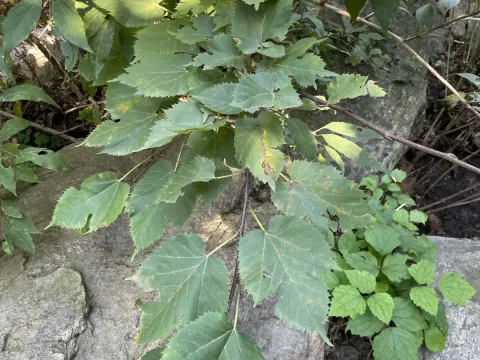
Mongolian mulberry
Morus mongolica
Sowing seeds of the Mongolian mulberry is typically performed in the spring, following a mandatory period of cold stratification to ensure high germination rates.
What the section contains
Mongolian mulberry
The optimal time for outdoor sowing is mid-spring, once the soil has warmed sufficiently, ensuring that young seedlings are not exposed to late frost damage.
For container-grown nursery stock, seeds should be sown in late winter to maximize the growing season and produce robust saplings ready for transplantation.
The seeds require shallow planting, ideally at a depth of about one centimeter, as they need adequate light exposure to break dormancy and sprout successfully.
Vegetative propagation via softwood cuttings is also a viable option, performed during the summer months using high-humidity environments to promote root development.
The Mongolian mulberry, a member of the Moraceae family, is a highly resilient species specifically adapted to the harsh climatic conditions of East Asia.
This tree thrives in full sunlight, as sufficient light exposure is critical for maintaining dense foliage and encouraging productive fruit development.
It prefers well-drained loamy or sandy soils and demonstrates excellent tolerance for various pH levels, provided the soil remains free from waterlogging.
Regular irrigation is essential during the establishment phase, particularly in the first two years, to support the development of a deep and efficient root system.
The species is renowned for its exceptional cold hardiness, making it a reliable choice for regions that experience extreme temperature fluctuations and bitter winters.
The Mongolian mulberry is primarily valued for its role in windbreak construction and soil conservation, protecting open fields from erosion through its extensive roots.
The fruit of this species is edible and nutritious, often utilized in traditional health applications and as a source of natural antioxidants in local diets.
Historically, the leaves have served as a high-quality forage source for silkworm cultivation, which continues to be a relevant niche use for the plant today.
The timber produced by this tree is notably dense and durable, making it suitable for high-end carpentry, cabinetry, and the production of small wooden artifacts.
The tree also holds significant ornamental value, with its distinctive leaf shape and resilient habit making it an excellent candidate for urban landscape projects.
The species may face challenges from fungal diseases, such as powdery mildew, which typically occurs during prolonged periods of high humidity and poor ventilation.
Common insect pests include mites and scale insects, which can weaken the tree by feeding on the sap, particularly when the plant is under drought-related stress.
Management strategies focus on prophylactic fungicide applications and the maintenance of optimal growing conditions to prevent the spread of common pathogens.
Good horticultural practice involves regular pruning to remove dead or diseased wood, which significantly improves air circulation throughout the tree's canopy.
- Integrated pest management using beneficial predatory insects.
- Sanitizing pruning tools to prevent the transmission of bacteria.
- Applying balanced fertilization to boost natural tree resistance.