
Osage orange
Maclura chinensis
Description
Sowing dates
Osage orange (Maclura pomifera) is typically propagated through seeds extracted from ripe fruit. For successful germination, seeds require cold stratification for at least 60 days at temperatures around 4°C to break dormancy effectively.
Direct sowing in the field is best performed in early spring once the danger of heavy frost has passed. Seeds should be planted at a depth of 2–3 cm in well-drained, fertile soil to ensure optimal development of the taproot system.
Vegetative propagation via root cuttings is another common method used in nurseries. Cuttings are taken during the dormant winter season and kept in high-humidity environments to encourage rapid root initiation.
Spacing is critical when establishing a plantation of Osage orange. As the tree grows into a large, sprawling specimen, a spacing of at least 6 meters between individuals is recommended to allow for crown expansion.
Young seedlings require intensive care, including regular weed control and irrigation, until they develop a sufficiently deep root system to withstand natural environmental challenges.
Growing requirements
The tree is native to the south-central United States and thrives in climates with hot, long summers. It is exceptionally hardy, capable of surviving in zones with high temperature variations and extended periods of drought.
Regarding soil preferences, Maclura pomifera is highly versatile. It can establish itself on poor, compacted, or eroded soils, although it prefers deep, loamy soils for achieving its maximum potential growth rate.
Full sun exposure is mandatory for healthy development. Trees planted in shaded areas tend to develop sparse, weak crowns and show significantly lower flower and fruit production compared to those in open sunlight.
While mature trees are drought-tolerant, supplemental watering during the first three years of growth is beneficial. It prevents early stress and ensures the development of a robust architectural structure.
Maintenance, particularly pruning, is essential if the tree is being used for hedge purposes or timber production. Removing the sharp thorns is a common practice in managed agricultural landscapes to facilitate safer management.
Yield
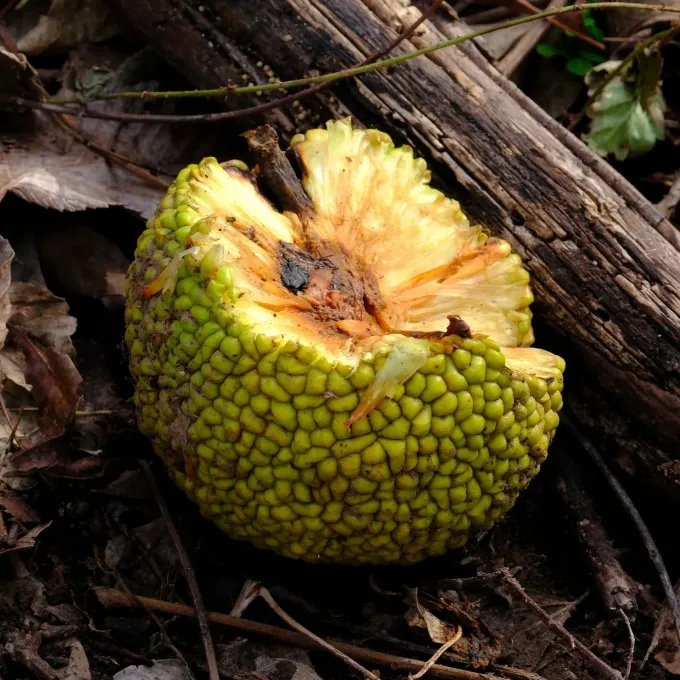
Osage orange is renowned for its distinctive, heavy, grapefruit-sized fruits. Although inedible for humans due to their bitter latex content, they contain compounds valued for pharmaceutical research and natural insect repellents.
The timber of the Osage orange is among the strongest and most durable in North America. It is highly resistant to rot, making it ideal for fence posts, tool handles, and premium woodworking projects.
Harvesting for commercial purposes involves collecting fallen fruits or harvesting them from trees. The wood is typically harvested after the tree has reached maturity, often exceeding 20 years for high-quality logs.
Research into the fruit's phytochemicals, specifically its isoflavones, continues to drive interest in its use for manufacturing specialized anti-inflammatory creams and industrial lubricants.
A single mature tree can produce a substantial yield of fruit, which often becomes a significant biomass component in orchard settings where multiple uses of the plant are integrated.
Main diseases and pests
Osage orange is remarkably resistant to most common agricultural pests and diseases, which is a major advantage for low-input farming operations. Its dense wood and chemical defenses deter many herbivorous insects.
Root rot, primarily caused by phytophthora or poor drainage, remains the most significant threat to the tree's long-term health. Ensuring proper field elevation and water runoff is the best preventive measure.
While the tree is rarely affected by systemic pathogens, localized damage to the bark can invite opportunistic fungal infections. Physical damage from machinery or wildlife should be addressed promptly.
Winter injury can occur in the northernmost range of its cultivation, causing dieback in younger branches. Selecting cold-hardy provenances is a strategic approach for growers in colder climates.
Regular monitoring for aphid infestations on the tender spring growth is advisable, though these pests rarely reach levels that require chemical intervention in healthy, established trees.
Harvesting
The harvest season for Osage orange fruit occurs in autumn, typically spanning from late September through November. Fruit collection is primarily done manually due to the thorns and the weight of the fruit.
For timber harvest, trees are selected based on trunk diameter and straightness. Sustainable harvesting practices involve periodic thinning to provide growing space for the remaining high-quality timber trees.
Post-harvest storage of fruit is best achieved in cool, dry conditions. If left in moist, warm environments, the fruit will ferment rapidly due to its high moisture and sugar content.
Safety equipment is non-negotiable during harvest. Thick leather gloves and long-sleeved protective clothing are required to minimize the risk of injury from the tree's defensive thorns.
Timber processing should include kiln-drying to manage the natural moisture levels of the wood, which ensures the stability and durability of the final products crafted from this high-density species.