
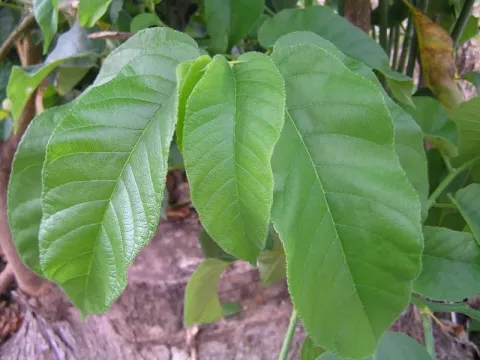
Milicia
Milicia
Milicia is a genus of large tropical trees belonging to the Moraceae family. While natural regeneration occurs in the wild, commercial cultivation involves strict nursery protocols to ensure high survival rates.
What the section contains


Milicia
Seed sowing requires immediate action after harvesting, as Milicia seeds possess short viability. They must be sown in well-drained substrate under controlled temperature and humidity conditions.
Germination typically occurs within two to four weeks. Young seedlings are sensitive to harsh sunlight and require partial shade to develop a healthy root system before being hardened off.
Transplanting to the field is most successful at the start of the rainy season, allowing the trees to establish themselves before the onset of drier conditions.
Plantation management during the first three to five years is essential, involving weed control to prevent vegetation from outcompeting the slow-growing young trees.
These trees thrive in humid tropical forests and transition zones. They require consistent moisture and high levels of solar radiation for optimal crown development and wood density.
Soil requirements focus on deep, fertile, and well-draining loams. Waterlogged soils are detrimental, as they inhibit root respiration and increase susceptibility to pathogenic fungi.
The ideal temperature range for Milicia development is between 20°C and 32°C. The species is strictly tropical and cannot tolerate frost or prolonged cold snaps.
Mature specimens can grow up to 50 meters tall, requiring ample space in plantations. Their extensive root systems allow them to access deep groundwater during brief dry periods.
A healthy soil ecosystem, supported by specific microorganisms, is crucial for the tree's nutrient uptake, which in turn reflects in the superior quality of the harvested timber.
The primary yield from Milicia is high-quality timber, globally recognized as Iroko. Harvesting usually occurs between 40 and 60 years after planting, depending on management intensity.
Yield metrics depend on site quality and spacing. Under ideal conditions, trees exhibit a steady diameter growth, which correlates directly with the volume of premium-grade timber produced.
Beyond timber, the tree supports biodiversity. Its fruits serve as an important food source for birds and mammals, maintaining the ecological balance within the plantation areas.
Traditional uses include medicinal applications of bark and leaves, providing additional value in local agricultural and forestry contexts.
Iroko wood is highly prized for its durability, natural resistance to decay, and insects, making it a sustainable alternative to teak in many international markets.
The most significant threat to Milicia plantations is the gall bug (Phytolyma fusca). This insect attacks young shoots, causing galls that stunt growth and can devastate entire stands.
Fungal infections can develop if the bark or trunk is mechanically damaged. These infections may lead to internal voids, significantly reducing the market value of the timber.
Root rot is a common issue in poorly drained soils. Managing water tables and ensuring proper soil aeration are the primary methods for preventing these underground pathogens.
Wildlife damage, such as bark stripping by elephants or smaller mammals, can expose the tree to secondary infections and weaken its structural integrity over time.
Proactive monitoring and the immediate removal of infested specimens are critical practices for maintaining the long-term health and productivity of a Milicia forest.
Harvesting is restricted to mature trees to ensure the wood has developed its characteristic grain, color, and density. This is vital for maintaining the reputation of Iroko in the trade.
Professional felling techniques are employed to minimize collateral damage to the surrounding environment and ensure safety for the forestry crew.
Primary processing, including bucking and debarking, should be performed shortly after harvesting to protect the wood surface from fungal colonisation and environmental degradation.
Drying is the most critical post-harvest stage. Precise kiln-drying or controlled air-drying is necessary to prevent splitting, warping, and shrinkage of the expensive lumber.
Waste management practices in modern plantations involve recycling sawdust and offcuts into biofuels or composites, maximizing the total value derived from the harvested trees.