
Marang
Artocarpus odoratissimus
Description
Growing requirements
Marang (Artocarpus odoratissimus) is a tropical tree species belonging to the Moraceae family. In its natural habitat, it can grow into a large, evergreen tree reaching heights of up to 25 meters.
The species is native to Borneo and is widely grown throughout Southeast Asia, particularly in Malaysia and the Philippines. It thrives best in hot, humid tropical climates and lacks cold tolerance.
Optimal growth occurs at elevations up to 1,000 meters above sea level where rainfall is distributed throughout the year. The plant requires high atmospheric humidity to maintain healthy foliage and development.
The tree prefers deep, fertile, and well-drained soils. It is extremely sensitive to waterlogging, which can quickly damage the root system and lead to tree mortality, so site selection is crucial.
Propagation is typically done through seeds, which should be planted as soon as they are extracted because they lose viability rapidly. Grafting is also employed by commercial growers to ensure fruit quality.
Yield
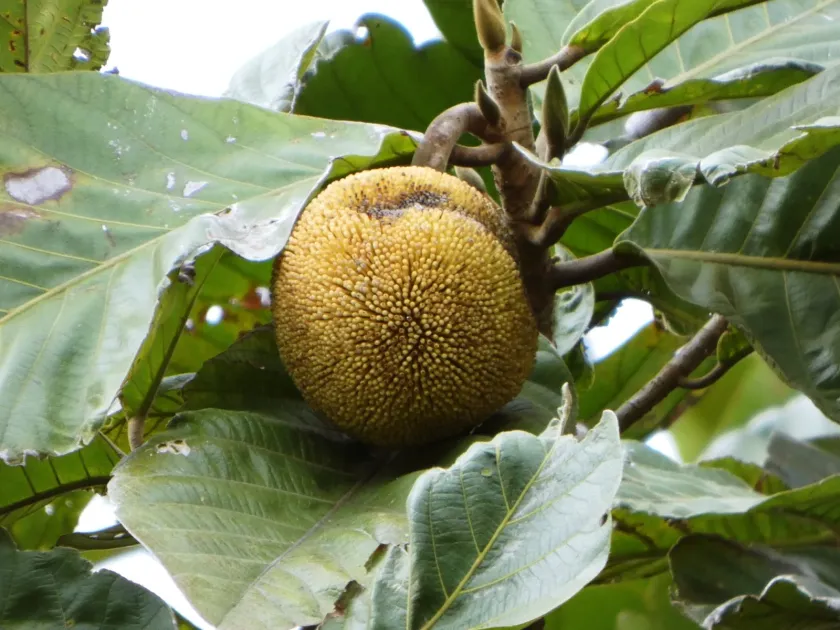
The fruit of the Marang is spherical to oblong, covered in soft, hair-like bristles. A healthy, mature tree can yield anywhere from 50 to 100 fruits per season depending on environmental conditions.
Trees typically begin to bear fruit 5 to 7 years after planting. Production volumes vary significantly based on the health of the tree and the adequacy of agricultural management practices.
The fruit is highly valued for its sweet, creamy flesh and aromatic qualities. It is primarily consumed fresh, although it also finds use in traditional culinary preparations and desserts.
While local demand for Marang is strong, the fruit's short shelf life limits long-distance commercial distribution. Consequently, most production is focused on local or regional market supply.
Regular fertilization with balanced nutrients helps sustain high yields throughout the tree's productive life. Proper spacing within orchards is necessary to allow sufficient sunlight exposure for all trees.
Main diseases and pests
The most serious threats to Marang trees are root rot diseases, which often result from poorly drained soils. Managing soil moisture is the primary preventive measure for the long-term health of the orchard.
Fruit flies are a major pest that can infest developing fruit, leading to significant post-harvest losses. Growers often use protective bags or nets around the fruit to prevent egg-laying by these insects.
Scale insects and mealybugs can infest leaves and stems, sucking sap and causing the tree to lose vigor. Monitoring for these pests and applying horticultural soaps or oils can control their populations.
Fungal leaf diseases, favored by the humid tropical environment, can be managed through regular pruning. Increasing air circulation within the canopy helps keep foliage dry and reduces infection risks.
An integrated pest management program, including sanitation and monitoring, is recommended for maintaining orchard productivity. Promptly removing diseased branches helps protect the rest of the tree.
Harvesting
Harvesting should occur when the fruit bristles turn yellow or brownish and the fruit emits a strong, sweet aroma. Harvesting too early results in fruit that fails to ripen properly or lacks sweetness.
The fruit should be harvested carefully using sharp shears or a knife to cut the stem. Since the fruit is prone to bruising and rapid spoilage, it must be handled with extreme care during collection.
For transport, fruits should be placed in well-padded containers to avoid crushing or skin puncture. Maintaining a cool, shaded environment post-harvest is essential to slow the ripening process.
Due to uneven ripening, harvesting is often conducted in multiple rounds throughout the season. This labor-intensive process requires experienced pickers who can identify ripe fruit on sight.
Storage life at ambient room temperature is limited to only a few days after harvesting. Commercial operations often try to move the produce to market as quickly as possible to ensure maximum freshness.