
Maclura cochinchinensis
Maclura cochinchinensis
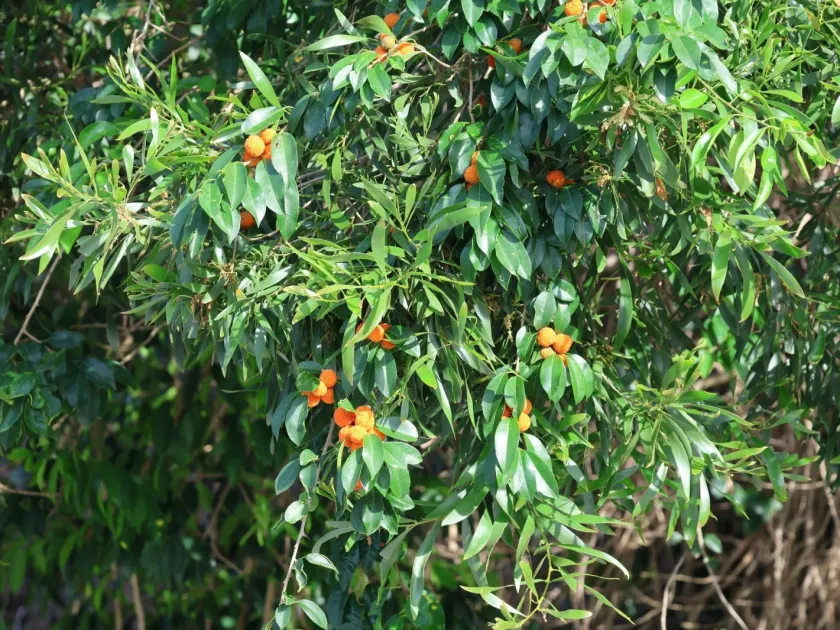
Description
Growing requirements
Maclura cochinchinensis is a plant species belonging to the Moraceae family. It typically grows as a sprawling, thorny shrub or a small tree, often showcasing a climbing habit in dense forest environments.
Native to Southeast Asia, southern China, and parts of Australia, this species is highly adapted to diverse ecological conditions. It thrives in regions where climate conditions remain consistently warm throughout the year.
The plant prefers well-drained, fertile, or even rocky soils. Its adaptability to varying soil pH levels makes it a versatile species for land rehabilitation projects in its native regions.
Optimal growth is achieved under full sun exposure, although young plants may benefit from partial shade during their establishment phase to prevent dehydration.
Agrotechnical maintenance involves periodic pruning, especially for hedge management. Given the long, sharp thorns, gardeners and farmers should employ appropriate protective equipment during field operations.
Yield
The plant is widely valued for its medicinal properties. Various extracts derived from its fruit and wood contain potent bioactive compounds that are subject to ongoing pharmacological research.
The wood of Maclura cochinchinensis is noted for its durability and resistance to decay, making it suitable for construction, furniture making, and tool handles.
Historically, the plant has been utilized as a source of yellow pigment. This natural dye has been used for centuries in textile applications, reflecting the cultural heritage of its native regions.
The fruit serves as a significant biological resource. Its chemical profile, rich in isoflavones and triterpenes, positions it as a promising candidate for dietary supplement production.
The species also provides excellent windbreaks and natural fencing. Its impenetrable growth habit offers protection to other delicate agricultural crops from wind damage and animal intrusions.
Main diseases and pests
Like many species in the Moraceae family, Maclura cochinchinensis is generally robust, but it can be susceptible to scale insects and mealybugs under stressful conditions.
Fungal leaf spots may occur in environments with high humidity and poor air circulation. Improving spacing and pruning diseased parts is usually sufficient to mitigate these issues.
Root rot is the most common threat for plants growing in heavy, waterlogged soils. Ensuring excellent drainage is the primary defense strategy for any professional grower.
Invasive weed competition during the early stages of establishment can significantly stunt growth, requiring diligent manual weeding or mulching around the base of the plant.
Regular monitoring for early signs of pest infestation allows for timely intervention using organic control methods, ensuring that the plant remains healthy and productive.