
Magnolia-leaf fig
Ficus magnoliifolia
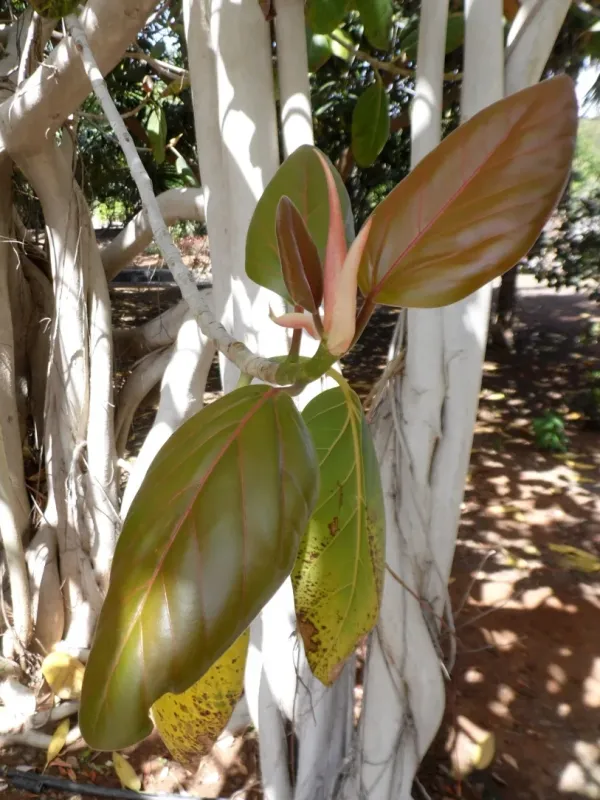
Description
Growing requirements
Magnolia-leaf fig (Ficus magnoliifolia) is a species within the Moraceae family, native to the tropical regions of Southeast Asia. This species is known for its robust, tree-like growth habit and its striking, large leaves that resemble those of a magnolia, making it a distinct member of the genus.
Botanically, the plant thrives in humid environments, preferring consistent tropical temperatures typically between 22 and 28 degrees Celsius. It serves as a significant ornamental species, often utilized in large-scale interior landscaping and botanical garden collections due to its impressive scale.
Cultivation requires specific environmental conditions, emphasizing the need for bright, indirect light to maintain foliage health. Exposure to direct afternoon sunlight should be avoided, as it can cause leaf scorch and damage the ornamental value of the specimen.
The soil requirements for optimal growth involve a well-draining, nutrient-rich potting medium. A mixture of peat, loam, and coarse grit is ideal to ensure adequate aeration around the roots, which is crucial for preventing physiological disorders and promoting vigorous expansion.
Regarding commercial usage, this plant is cultivated primarily for the decorative plant market. Its ability to adapt to controlled interior environments makes it a highly valued asset for architects and interior designers who specialize in large-scale corporate and public green space installations.
Main diseases and pests
Pest management is a critical aspect of Ficus magnoliifolia maintenance, with spider mites and scale insects being the most prevalent threats. Integrated pest management, including regular monitoring and the use of insecticidal soaps, is highly effective for maintaining plant health.
Pathogenic threats are primarily associated with water management; over-irrigation often results in root rot caused by anaerobic conditions. Proper drainage systems and allowing the substrate to partially dry between watering cycles are the fundamental preventive measures for successful long-term cultivation.