
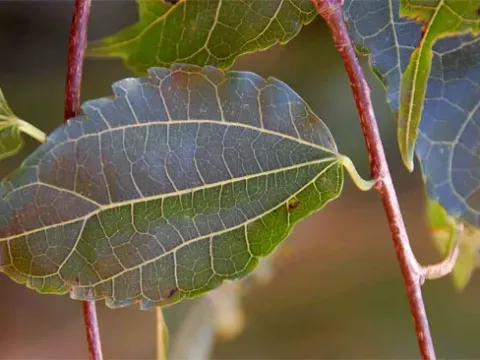
Morus mesozygia
Morus mesozygia
Morus mesozygia, commonly known as the African mulberry, belongs to the Moraceae family. It is a prominent tree species native to the tropical forests of Central and West Africa, where it thrives in diverse ecological niches.
What the section contains
Morus mesozygia
The tree requires a humid tropical climate to reach its full potential. It prefers well-drained, fertile soils rich in nutrients and is typically found in evergreen and semi-deciduous forest zones where the rainfall is distributed throughout the year.
Botanically, it is a medium to large tree, occasionally reaching heights of up to 40 meters. It features a straight, cylindrical bole and a spreading crown, which contributes to its stature as an important component of the forest canopy.
Regarding climatic conditions, the species demands high ambient temperatures and consistent moisture levels. It does not tolerate prolonged frost or severe drought, which can significantly inhibit its growth rate and overall health.
Agronomic management involves selecting appropriate planting sites that mimic the tree's natural habitat. Ensuring proper spacing in plantations is essential to allow for adequate light penetration and air circulation, which prevents the development of fungal diseases.
The primary economic value of Morus mesozygia is derived from its high-quality timber. The wood is dense, durable, and highly prized for its attractive grain and resistance to termites and rot, making it an excellent material for cabinetry and high-end furniture.
In addition to timber, the tree produces edible fruits that are gathered by local populations. These small, mulberry-like fruits are a source of vitamins and sugars, contributing to the dietary diversity of communities living near the forests.
The leaves of the tree are frequently utilized as high-protein fodder for livestock, particularly during the dry season when other forage is scarce. This secondary utility adds significant value to agroforestry systems integrating this species.
Yield management in forest plantations focuses on maximizing the straightness of the stem. Pruning lower branches at an early stage is a recommended practice to improve the quality of the harvested logs in future cycles.
Sustainable harvesting techniques ensure that the yield is maintained without compromising the long-term viability of the stand. By following structured thinning protocols, foresters can optimize the growth of the remaining trees.
The health of Morus mesozygia stands is often challenged by fungal pathogens that thrive in high-humidity environments. Leaf spots and bark infections can occur if the density of the planting is too high and air movement is restricted.
Stem-boring beetles are considered the most significant insect pests for this species. These insects penetrate the trunk, creating galleries that compromise the structural integrity of the wood and create entry points for secondary pathogens.
Root rot, primarily caused by waterlogging, remains a critical threat. The species requires well-aerated soils; therefore, poorly drained sites should be avoided during the establishment phase of a plantation.
Competition from invasive fast-growing weeds and creepers can suppress the development of saplings. Periodic clearing of the undergrowth is necessary to ensure the young trees receive sufficient nutrients and sunlight.
Integrated pest management (IPM) strategies, which include mechanical removal and the selection of healthy planting stock, are the most effective ways to mitigate these biological threats in commercial forestry.