
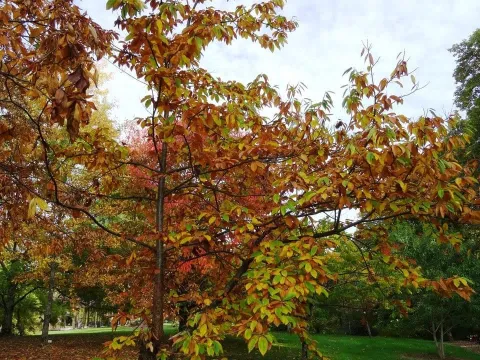
Runcinata oak
Quercus runcinata
The Runcinata oak (Quercus runcinata) is a distinct natural hybrid belonging to the Fagaceae family. Known for its unique lobed leaf structure, this species is frequently valued in specialized horticulture and dendrology for its ornamental characteristics and robust growth habit.
What the section contains
Runcinata oak
Native to specific temperate regions of North America, this oak species thrives in well-drained, nutrient-rich soils. It typically inhabits mixed forest environments where it can benefit from a balanced moisture regime, avoiding waterlogged conditions which are detrimental to root health.
Climatic requirements for the Runcinata oak include exposure to full sunlight for optimal development. While it is hardy in temperate zones, the species performs best when protected from extreme late-spring frosts that can damage developing buds during the onset of the growing season.
Agricultural and forestry management involves careful site selection and the preparation of soil to ensure good aeration. Maintaining proper space between individual trees is essential to allow for full crown expansion, which is a key aesthetic feature of this specific oak.
The primary use of this crop is in landscape architecture and park design, where its unique foliage adds high decorative value. It is also a subject of interest in botanical research due to its hybrid origin, providing insights into the genetic plasticity of the genus Quercus.
The species is susceptible to various fungal pathogens, with powdery mildew being the most common concern during humid summers. This condition affects leaf vitality and, if untreated, can reduce the overall photosynthetic capacity of the tree.
Insect pests, including leaf rollers and various wood-boring beetles, represent a constant threat to the structural integrity of the oak. Integrated pest management, focusing on early detection and biological controls, is highly recommended to maintain tree health.
Root system issues, often caused by compaction or poor drainage, remain a significant challenge. These conditions inhibit nutrient uptake and increase susceptibility to secondary soil-borne pathogens that can lead to crown dieback over several seasons.
Environmental stress, such as prolonged droughts, can significantly weaken the tree's immune response. During such periods, the oak becomes more prone to attacks by opportunistic pests, necessitating supplemental irrigation and careful soil moisture management.
Proper pruning techniques are essential to prevent the entry of decay-causing fungi into the heartwood. All maintenance work should be conducted using sanitized tools to prevent the transmission of diseases between individual trees in a plantation or garden setting.