
Rosaceous oak
Quercus rosacea
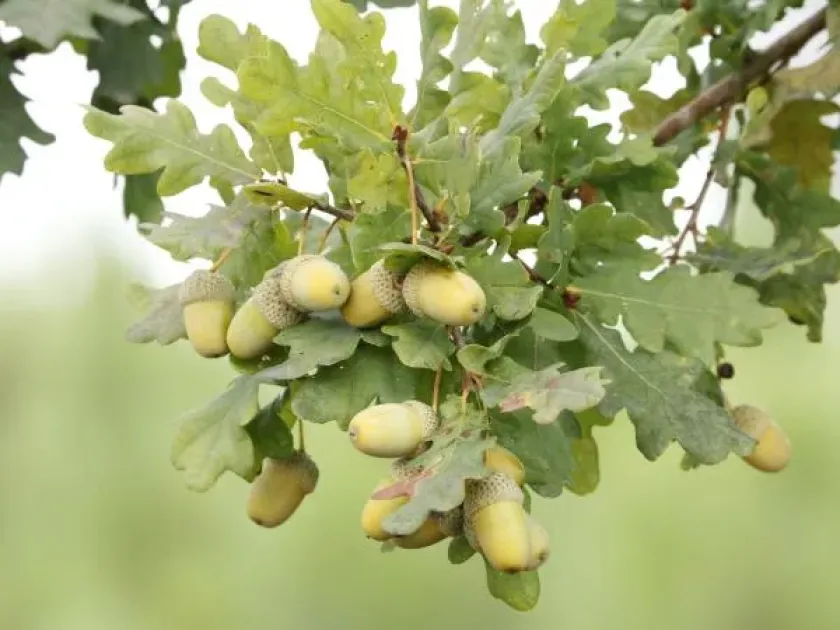
Description
Growing requirements
Rosaceous oak (Quercus rosacea) is a naturally occurring hybrid tree species within the Fagaceae family, resulting from the cross-breeding of common oak (Quercus robur) and sessile oak (Quercus petraea).
The species is native to temperate European forests, where it thrives in regions with moderate climate conditions and sufficient rainfall. It is well-adapted to environments that provide a balance between seasonal temperatures and moisture.
The ideal soil conditions for this species are deep, well-drained loam or sandy soils rich in organic matter. Proper soil structure is essential for root development, and sites with poor drainage should be avoided to prevent moisture-related stress.
Rosaceous oak requires ample sunlight for optimal growth. While saplings exhibit shade tolerance in early development phases under a canopy, mature trees perform best when given sufficient space to access direct solar radiation for photosynthesis.
Agrotechnical management includes consistent weeding and mulching around the root zone to conserve soil moisture. In areas prone to summer droughts, supplementary irrigation during the first few years of establishment is crucial for healthy development.
Yield
The economic value of this culture lies primarily in the production of high-quality hardwood. The timber is recognized for its durability, hardness, and resistance to decay, making it a preferred choice for high-end carpentry.
Beyond timber production, the culture plays a significant ecological role in forest management by enhancing biodiversity and providing essential services, such as soil erosion control and water regulation.
The growth rate of the trunk is moderate, consistent with other oak species. Profitability is realized through long-term forest management cycles, where selective thinning is used to promote the growth of the most vigorous specimens.
Landscape architects also utilize the species for ornamental purposes. Its unique foliage color, often manifesting in reddish tones in spring due to its hybrid lineage, adds aesthetic diversity to parks and gardens.
Proper forest stand management ensures that the timber meets industrial quality standards. By monitoring growth stages, foresters can maximize the yield and wood density over several decades of cultivation.
Main diseases and pests
Fungal diseases, particularly powdery mildew, represent the primary health risk for this species. This condition thrives in damp, humid conditions and can severely impact the foliage of young trees during the spring season.
Insects like the oak leaf roller (Tortrix viridana) can cause significant defoliation if populations are not controlled. Periodic pest assessments are necessary to maintain the vigor of the forest stand.
Wildlife damage from rodents, such as rabbits or voles, poses a high risk to the bark of young saplings during winter months. Physical protection methods like tree guards are recommended for successful plantation establishment.
Root rot, often associated with waterlogged soil, can lead to sudden decline in mature trees. Maintaining appropriate site selection and ensuring proper drainage is the most effective preventative measure.
Increased occurrences of extreme weather, particularly prolonged heatwaves, weaken the trees' natural resilience, making them targets for opportunistic wood-boring insects that require prompt management intervention.