
Sargent's Oak
Quercus sargentii
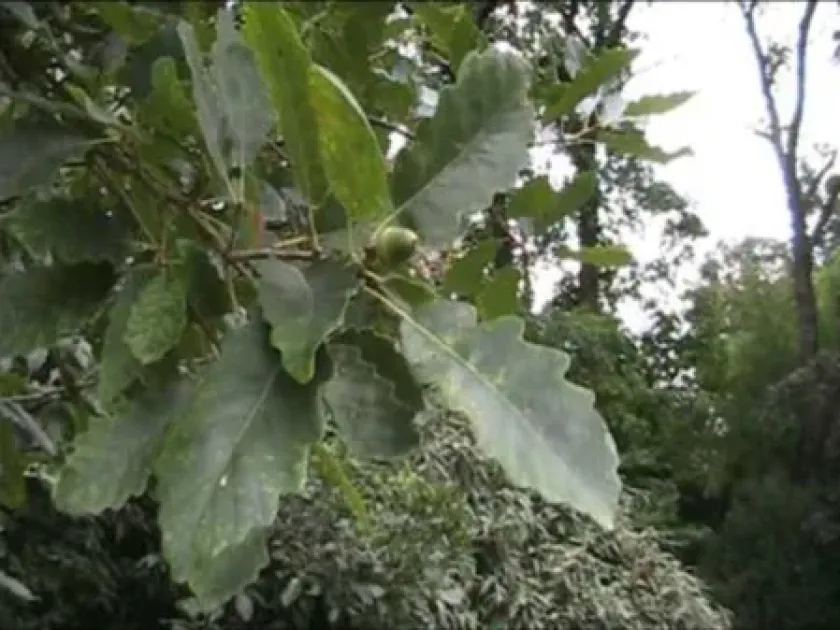
Description
Growing requirements
Sargent's Oak (Quercus sargentii) is a notable member of the Fagaceae family, primarily native to the mountainous regions of Eastern Asia. This deciduous tree is recognized for its robust structure and long-term viability in diverse forest ecosystems.
The culture thrives in well-draining, nutrient-rich soils with a slightly acidic to neutral pH. Proper soil structure is essential for the development of a deep taproot system, which provides the tree with stability and long-term drought tolerance once established.
Regarding climate, the tree prefers regions with distinct seasonal shifts and moderate precipitation. It demonstrates high resistance to cold temperatures but benefits from sheltered locations during the initial stages of its development to prevent damage from late spring frosts.
Optimal light exposure is a critical factor for the healthy growth of Sargent's Oak. While it can adapt to partial shade, full sun exposure is recommended for maximizing leaf density and promoting the structural integrity of the main trunk and branches.
Standard silvicultural practices involve regular monitoring of soil moisture levels. During the first three to five years, intensive irrigation is necessary to establish the root system, followed by long-term mulching to maintain soil biology and prevent weed competition.
Main diseases and pests
Powdery mildew represents a significant threat to the foliage of Quercus sargentii, particularly in stagnant, humid environments. Maintaining adequate airflow through periodic pruning is the most effective way to minimize the incidence of this fungal disease.
Leaf-eating insects, such as caterpillars and various species of leaf rollers, can cause extensive damage to the photosynthetic surface area. Integrated pest management strategies, including the introduction of natural predators, are preferred over chemical interventions.
Canker-causing fungi can infect the tree through cracks or damage in the bark. Immediate sanitation of affected areas and the application of protective treatments are essential to prevent the spread of the disease to the vascular system of the tree.
Root rot is a major risk in waterlogged soils where oxygen availability is limited. Ensuring proper drainage at the planting site is the foundational requirement for long-term health and disease prevention in this oak species.
Systemic weakness in the trees often stems from nutrient deficiencies or soil compaction. Providing balanced organic fertilization and aerating the soil surface can significantly improve the tree's natural resistance to various environmental and biological stressors.