
Sadler oak
Quercus sadleriana
Description
Growing requirements
The Sadler oak (Quercus sadleriana) is a unique, shrubby species belonging to the Fagaceae family. It is native to the high-altitude mountain slopes of southwestern Oregon and northwestern California, where it thrives in cool, moist, and well-drained environments.
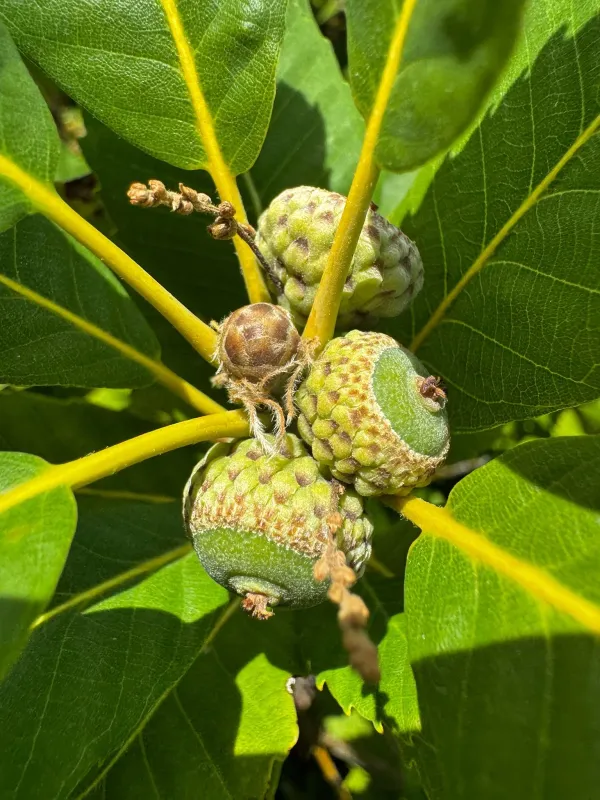
Botanically, this oak is distinguished by its leathery, prominently veined leaves and its dense, low-growing shrub form. It is often utilized in horticultural settings as an ornamental specimen due to its attractive foliage and hardy, resilient nature when placed in proper conditions.
Climate requirements for this species are specific, as it prefers mild summer temperatures and is accustomed to winter snow cover. High heat and prolonged drought are detrimental, necessitating a site selection that offers partial shade and protection from the intense midday sun.
The soil profile must be acidic to neutral, well-aerated, and rich in organic matter. Sadler oak does not tolerate heavy, poorly drained clay soils, which can lead to root system decay. Adding leaf mold or compost at planting time significantly enhances soil structure.
Cultivation practices focus on mimicking the forest floor environment. Consistent moisture is required during the initial growth years, accompanied by organic mulch to regulate soil temperature and retain moisture levels while providing essential nutrients.
Main diseases and pests
Root rot, often caused by the pathogen Phytophthora, is a primary threat in areas with poor drainage. Careful management of water levels and ensuring the soil remains light and porous are the most effective preventative measures against these soil-borne diseases.
Leaf-galling insects are common pests for many Quercus species, including the Sadler oak. While rarely fatal to a healthy tree, they can degrade the aesthetic value of the foliage. Infestations are best managed by promoting overall plant vigor through proper site selection.
Small mammals and rodents may target the bark or root system of younger specimens, especially during winter months. Physical barriers, such as tree guards or wire mesh, are highly recommended to prevent trunk damage and ensure the plant's survival.
Fungal infections of the foliage can occur in overly humid and stagnant air conditions. Improving airflow through selective pruning and ensuring the plant is not overcrowded are key strategies to maintain leaf health throughout the growing season.
Environmental stress, such as extreme temperature fluctuations or rapid changes in soil moisture, can weaken the Sadler oak, making it more susceptible to secondary pests. Maintaining consistent care is vital for the long-term health and stability of the shrub.