
Rehder Oak
Quercus rehderi
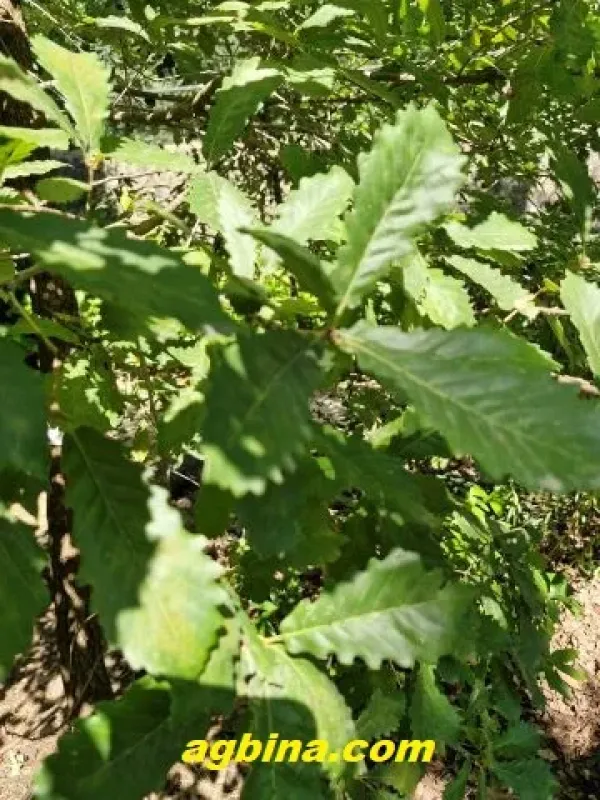
Description
Growing requirements
The Rehder Oak (Quercus rehderi) is a rare natural hybrid tree species belonging to the Fagaceae family. It is recognized for its unique characteristics resulting from the natural hybridization process, making it a subject of interest in both forestry and botany.
Successful cultivation of this species requires well-drained, fertile soil that retains moisture without becoming waterlogged. The tree flourishes in sites with ample sunlight, which is crucial for the development of its canopy and overall structural integrity.
Climate requirements include a moderate temperate zone; it is generally resilient but requires protection from harsh winter winds while the plants are young. Consistent seasonal moisture is beneficial for the establishment of its deep root system.
Agronomic care involves regular mulching of the root zone to stabilize soil temperature and moisture levels. Occasional soil analysis is recommended to ensure that pH levels remain within the optimal range for the species.
The tree is primarily utilized for ornamental purposes and biodiversity enrichment in arboretums. Its architectural form makes it a valued addition to landscape design and ecological restoration projects.
Main diseases and pests
The primary biological threat to the Rehder Oak is powdery mildew, which often thrives in conditions of poor air circulation and high relative humidity during late spring.
Pests, such as various species of wood-boring beetles, can compromise the structural health of the trunk, requiring careful monitoring to prevent irreversible tissue damage.
Defoliating insects can cause substantial leaf loss, which reduces the tree's vigor if the infestation is not controlled early in the growing season.
Preventative maintenance, including the removal of deadwood and the application of suitable fungicides, is vital for the long-term health of the hybrid specimen.
Maintaining a healthy, stress-free environment for the tree is the best strategy for natural resistance against local pests and common wood pathogens.