
Saul Oak
Quercus saulii
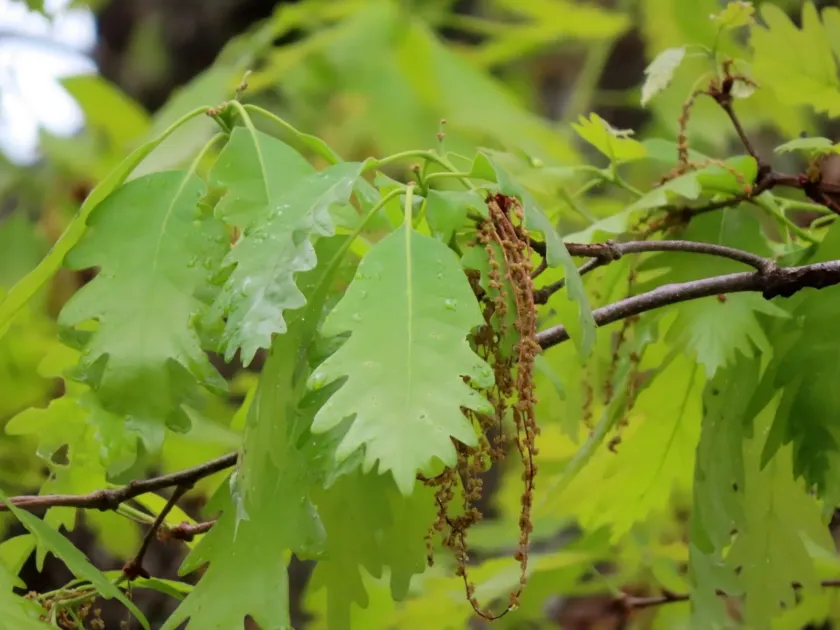
Description
Sowing dates
Propagation of the Saul Oak, a natural hybrid between Quercus alba and Quercus prinus, primarily occurs through seed dispersal in natural forest ecosystems.
For nursery production, acorns should be collected at full maturity in the autumn and sown immediately to take advantage of the natural stratification period provided by winter soil temperatures.
If sowing is delayed until spring, seeds must be stored in a cool environment, ideally between 1 and 3 degrees Celsius, to maintain embryo viability and prevent premature sprouting.
The optimal planting depth is approximately 5–8 centimeters, which protects the germinating seed from surface fluctuations and helps ensure strong anchor root development.
Containerized seedlings are increasingly favored in professional silviculture because they allow for precise nutrient management and a higher survival rate when transplanted to forest sites.
Growing requirements
This species thrives in well-drained, deep, and fertile soils that provide both structural stability for the root system and access to essential minerals.
While the Saul Oak is adaptable to various soil types, it shows optimal growth performance in slightly acidic to neutral soil environments with sufficient organic matter.
As a light-demanding tree, it requires significant sun exposure to develop a robust canopy structure and to sustain high photosynthetic rates during the active growth season.
The species exhibits good climate resilience, inherited from its parent trees, allowing it to withstand seasonal temperature variations typical of temperate climate zones.
Maintaining adequate soil moisture without causing waterlogging is crucial during the juvenile stage, as young trees are highly sensitive to prolonged drought or flooding.
Main diseases and pests
The Saul Oak is susceptible to common oak diseases, including powdery mildew, which typically affects the leaves during hot and humid summer periods.
Oak wilt, caused by specialized fungi, represents a severe threat to the tree's vascular system, often leading to rapid decline if the pathogen enters through fresh wounds.
Insect pests, such as leaf rollers and various weevil species, can cause significant defoliation and damage to the acorn crop, potentially reducing natural regeneration rates.
Wood-boring beetles may target stressed or weakened trees, creating galleries in the sapwood that disrupt nutrient transport and compromise the tree's structural integrity.
Preventive maintenance, including the removal of dead wood and the application of balanced fertilizers, helps strengthen the tree’s natural defenses against these biotic stressors.