
Ring-cupped oak
Quercus glauca
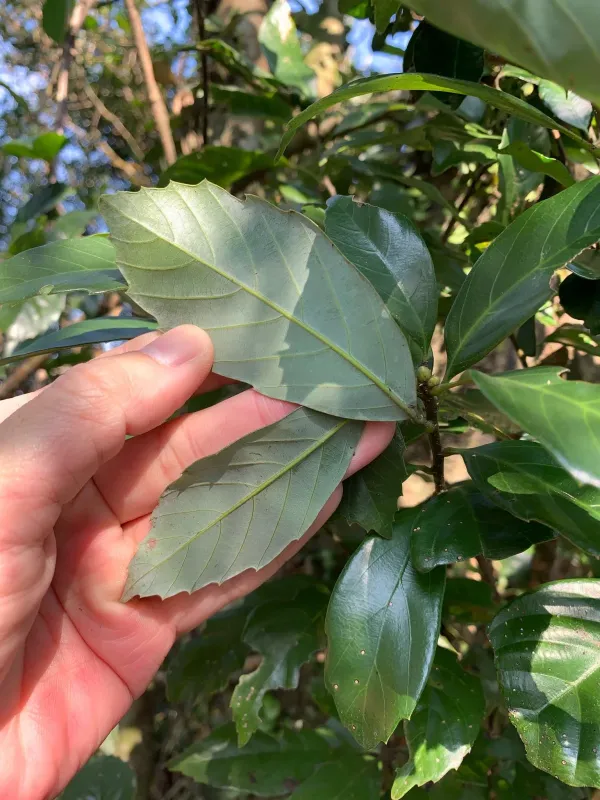
Description
Sowing dates
Propagation of the Ring-cupped oak (Quercus glauca) is primarily conducted through seeds. Acorns should be sown immediately after collection in the autumn to ensure high viability rates.
If spring sowing is required, the acorns must be stratified in moist sand at temperatures between +1°C and +3°C to maintain moisture content without inducing rot.
Seeds should be planted at a depth of 3–5 cm in well-drained, fertile soil. Adequate spacing is necessary to allow for the development of a strong root system.
The germination period usually occurs in the spring, and seedlings require consistent moisture to thrive during their initial growth phase.
Transplanting to the permanent location is recommended when the seedlings are 2–3 years old, ensuring that the root ball remains intact to avoid transplant shock.
Growing requirements
The Ring-cupped oak belongs to the Fagaceae family. It is an evergreen species native to the subtropical and warm temperate forests of East Asia.
This species prefers deep, nutrient-rich soils with a slightly acidic to neutral pH. Proper soil drainage is essential to prevent root asphyxiation and subsequent decay.
It thrives in humid, temperate, and subtropical climates. While mature trees possess moderate frost tolerance, young specimens must be protected from extreme winter temperatures.
The tree requires significant sunlight for optimal crown development but can tolerate partial shade during its juvenile development stages.
Adequate air circulation and protection from severe, drying winds are crucial for maintaining the tree's health and the glossy appearance of its foliage.
Yield
The Ring-cupped oak is highly valued in silviculture for its dense, durable wood, which is utilized in high-quality furniture making and construction.
In ornamental horticulture, it is prized for its evergreen, glaucous-green foliage, making it a popular choice for parks and landscape design.
The tree exhibits moderate growth rates and can eventually reach a significant height, contributing to carbon sequestration and local biodiversity.
Its ability to form dense canopy cover makes it an excellent candidate for urban forestry in regions with compatible climatic conditions.
Sustainable management practices, including selective thinning, can improve the quality of the timber produced by stands of this species over time.
Main diseases and pests
Powdery mildew is a common fungal disease that can affect the foliage during periods of high humidity and insufficient airflow.
Various insect pests, such as leaf rollers and borers, can attack the plant, necessitating regular monitoring to prevent large-scale infestation.
Root rot caused by soil-borne pathogens is a significant threat, usually exacerbated by poor drainage and waterlogged conditions around the root zone.
Integrated pest management, including the use of targeted treatments and the maintenance of vigorous, healthy tree growth, is the best defense strategy.
Sanitation practices, such as removing fallen leaves and pruning dead or diseased branches, help reduce the incidence of both pests and fungal pathogens.