
Sawtooth oak
Quercus serrata
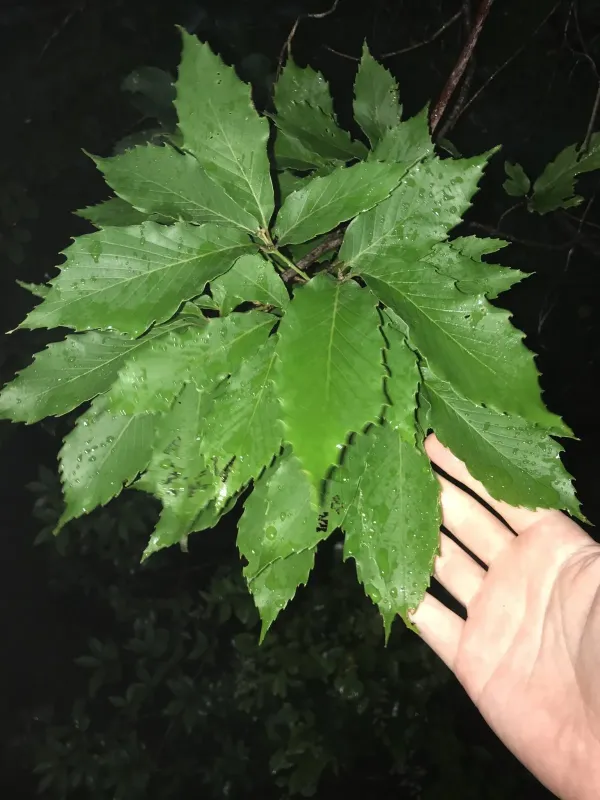
Description
Sowing dates
Sowing of Sawtooth oak (Quercus serrata) seeds is best performed in the autumn immediately after harvesting, as the acorns have a short viability period if they become desiccated. Seeds should be sown at a depth of 5–7 centimeters to ensure proper establishment.
For spring planting, stratified seeds are used. They are sown as soon as the soil warms up to 8–10 degrees Celsius. Maintaining consistent soil moisture during the germination period is critical for achieving high emergence rates.
Container-grown seedlings are increasingly popular, as they allow for safer transplantation into the field. This method significantly reduces transplant shock and ensures better survival rates compared to bareroot seedlings.
Planting spacing must consider the future canopy diameter of the tree. A distance of 1 to 1.5 meters between rows is typically recommended for young plantations to facilitate airflow and maintenance operations.
Young plants are susceptible to spring frosts and intense solar radiation. Providing shade or planting with nurse crops in the initial years can significantly improve the health and development of the seedlings.
Growing requirements
Sawtooth oak thrives in deep, well-drained soils with a slightly acidic to neutral pH. It is sensitive to waterlogged conditions, making well-drained sites essential for successful long-term cultivation and wood quality.
As a light-demanding species, the Sawtooth oak requires full sun exposure to reach its maximum growth potential. While young trees can tolerate partial shade, they perform best when given ample space in an open environment.
The climate requirements for this species are suited to temperate zones. It needs protection from harsh winter winds and extreme temperatures, particularly in the early stages of its growth when the bark is still thin.
Soil fertility is important for vigorous growth. The species prefers loamy soils rich in organic matter. On nutrient-poor or sandy soils, regular fertilization and moisture retention strategies are necessary to maintain tree vitality.
- Ideal soil pH range: 5.5–7.0.
- Good drainage to prevent root rot issues.
- Sun exposure is crucial for canopy development.
Main diseases and pests
Powdery mildew is a common fungal disease affecting the foliage, especially in humid and poorly ventilated conditions. Managing canopy density and applying systemic fungicides can help control the infection.
Various insect pests, including oak leaf rollers and weevils, can cause significant defoliation. Integrated pest management, including monitoring and biological controls, is effective in minimizing damage to the trees.
Root rot caused by fungal pathogens often stems from waterlogged soil. Proper site selection and drainage management are the most effective preventative measures against these soil-borne threats.
Heart rot of the stem can occur following mechanical injuries to the bark. It is vital to perform pruning carefully and ensure that any accidental wounds are treated with fungicides to prevent decay-causing fungi from entering.
Xylophagous insects can pose a threat to mature trees by tunneling into the wood. Regular health check-ups and the removal of severely weakened or infested timber are standard practices in maintaining healthy stands.