
Rudkin oak
Quercus rudkinii
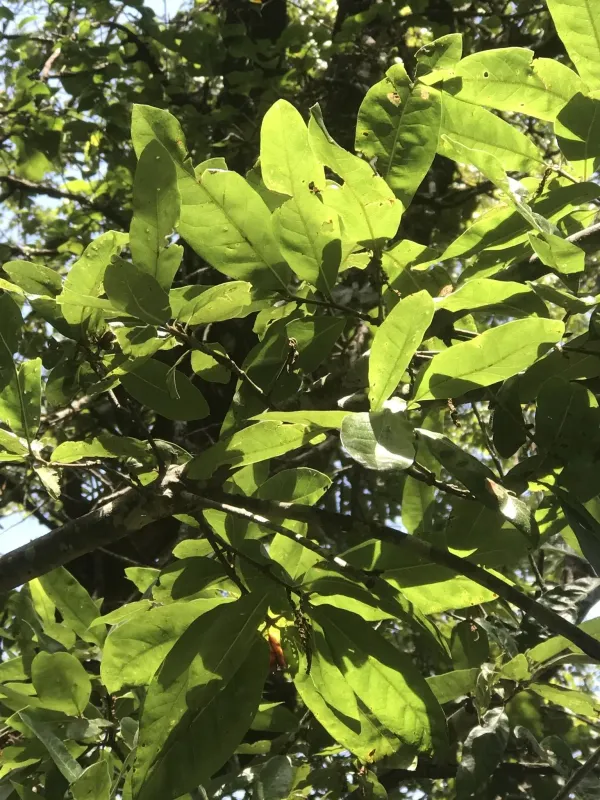
Description
Sowing dates
The Rudkin oak is a natural hybrid resulting from the crossing of the willow oak (Quercus phellos) and the blackjack oak (Quercus marilandica). Acorns should ideally be sown in the autumn, immediately after collection, allowing for natural winter stratification in the soil.
For spring sowing, acorns require artificial stratification at temperatures between 0 and 5 degrees Celsius for 60 to 90 days. It is crucial to maintain proper substrate moisture to prevent the embryo from drying out.
The optimal sowing depth is approximately 3 to 5 centimeters. A loose, nutrient-rich, and well-drained substrate is recommended to prevent seed decay and encourage strong primary root development.
When using containerized production, deep pots or deep-cell trays are essential. This allows the taproot to grow downwards without distortion, significantly improving the success rate upon transplanting.
Germination typically occurs in the spring once soil temperatures reach 10 to 12 degrees Celsius. Young seedlings require shade and consistent watering during their first season to establish a robust root system.
Growing requirements
Rudkin oak thrives in full sun, requiring exposure to direct light for optimal photosynthesis. While it shows remarkable adaptability, it performs best on well-drained, slightly acidic to neutral soils.
The tree demonstrates moderate drought tolerance once established, but regular irrigation is necessary during the first few years to maintain vigorous growth and canopy development.
Climatic adaptability is one of its strengths, given the characteristics of its parent species. However, protection from harsh, drying winter winds is advisable for young, vulnerable saplings.
Proper spacing is important for the long-term health of the trees. A distance of 5 to 7 meters between trees is recommended to ensure adequate air circulation and prevent competition for resources.
Fertilization with a balanced, slow-release fertilizer in early spring can boost growth in poor soils. Excess nitrogen should be avoided to prevent the development of succulent tissues that are susceptible to frost damage.
Main diseases and pests
Powdery mildew is a common fungal threat, particularly in humid or stagnant air conditions. Improving airflow through selective pruning and using appropriate fungicides can mitigate this issue effectively.
Pests such as leaf rollers, gall wasps, and acorn weevils can affect the overall health and reproductive success of the tree. Monitoring for early signs of infestation is essential for timely intervention.
Root rot, caused by various soil-borne pathogens, is a significant risk in waterlogged or heavy clay soils. Ensuring proper drainage at the planting site is the most effective preventative measure.
Mechanical injuries to the trunk or branches can act as entry points for pathogens and wood-decay fungi. Protecting trees from animal damage and equipment collisions is vital for longevity.
Sanitary pruning, involving the removal and destruction of diseased branches, is recommended to curb the spread of infections. Always sanitize pruning tools between trees to prevent cross-contamination.