
Sand live oak
Quercus geminata
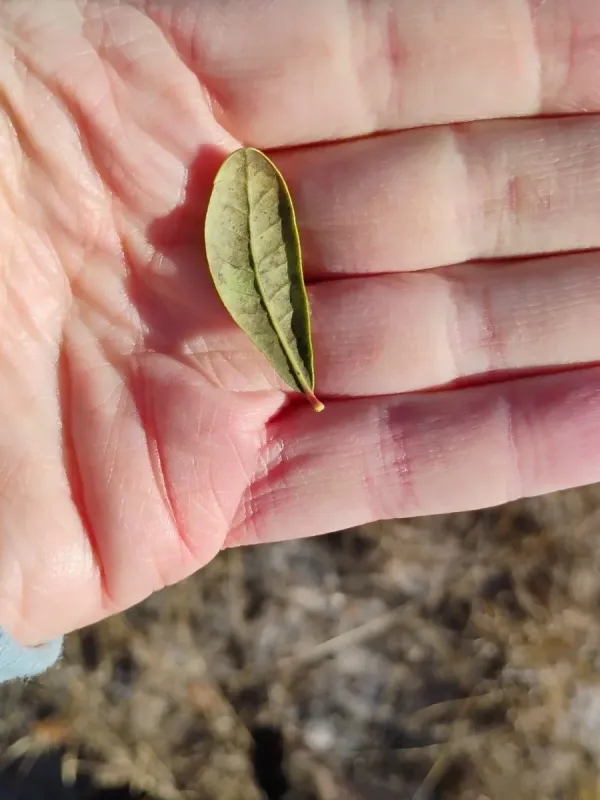
Description
Sowing dates
Propagation of the sand live oak (Quercus geminata) is primarily conducted through the collection and sowing of fresh acorns during the autumn season.
Acorns are sensitive to desiccation and must be planted immediately or stored in a controlled, moist, and cool environment to maintain their viability.
When sowing in nurseries, it is essential to use deep containers or direct-seeding methods to accommodate the rapid development of the strong taproot.
Seeds should be buried at a depth of 3 to 5 centimeters, ensuring a loose and well-aerated medium to promote successful germination.
Proper spacing during the nursery phase prevents etiolation and ensures that seedlings develop a balanced canopy before being transplanted into their permanent location.
Growing requirements
The species belongs to the Fagaceae family and is native to the coastal plains and scrub habitats of the southeastern United States.
It thrives in nutrient-poor, sandy, and well-drained soils, showing a remarkable ability to survive in conditions where other tree species fail.
The plant is highly drought-tolerant, possessing thick, leathery leaves with dense stellate pubescence that significantly reduces transpiration rates.
For best results, the species requires full sun exposure, although it exhibits shade tolerance during its early years as part of its natural successional pattern.
It is well-adapted to maritime climates, showing significant resistance to salty winds and fluctuating moisture levels inherent in coastal landscapes.
Main diseases and pests
The most common disease observed in Quercus geminata is powdery mildew, which typically infects young foliage during periods of high humidity.
Oak wilt, caused by the fungus Ceratocystis fagacearum, remains a serious threat that requires rigorous monitoring and sanitation to manage.
Pest infestations, particularly by various leaf miners and oak borers, can impact the vigor of the tree if left unchecked over extended periods.
Root system health is vital, and waterlogging should be strictly avoided to prevent the development of phytophthora root rots in nursery and landscape settings.
Strategic management involves regular pruning to remove dead or diseased branches, thereby improving airflow and reducing the likelihood of fungal colonization.