
Round-leaved oak
Quercus rotundifolia
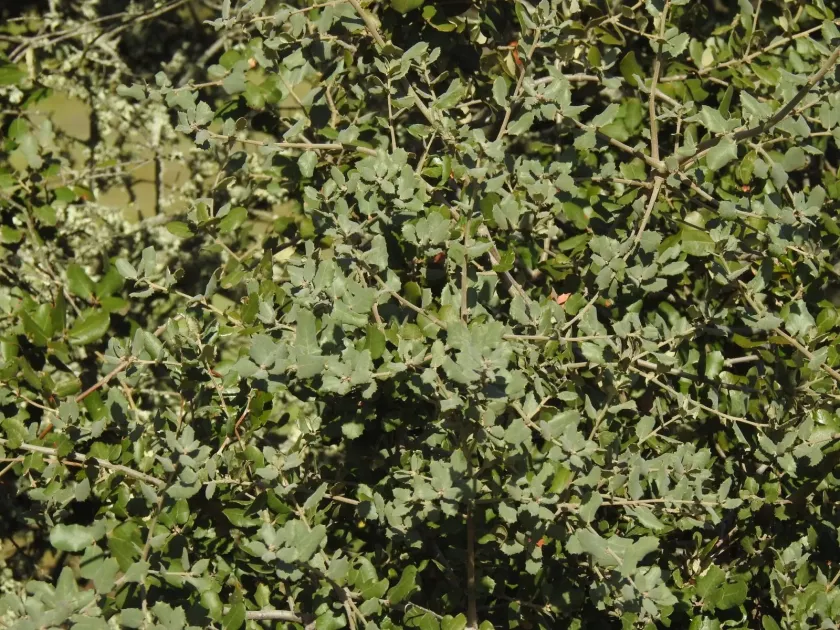
Description
Sowing dates
The seeds of the round-leaved oak, known as acorns, are primarily sown in the autumn immediately after harvest to ensure natural stratification in the soil over the winter months.
For establishing commercial plantations, it is recommended to plant them in prepared furrows at a depth of 5–8 centimeters, which prevents desiccation and protects the seeds from rodents.
In nurseries, container sowing is frequently practiced, as it allows for the development of a robust root system and significantly increases seedling survival rates during field transplanting.
An important factor during sowing is maintaining the appropriate density, which depends on whether the primary goal is timber production or acorn harvesting in agroforestry systems.
The optimal time for establishing plantations within the species' natural range is between November and February, during periods of stable, cool, and moist weather conditions.
Growing requirements
The round-leaved oak (Quercus rotundifolia) belongs to the Fagaceae family and is an evergreen tree specifically adapted to the Mediterranean climate, characterized by hot summers and mild winters.
This crop prefers well-drained, slightly acidic to neutral soils, demonstrating high tolerance to drought conditions and poor, rocky substrates where other species might struggle.
The plant is highly heliophilic; therefore, to ensure full crown development and maximize acorn productivity, it is necessary to provide adequate spacing between trees to avoid shading.
For optimal growth, the tree requires an average annual precipitation of 500–800 mm, though it can survive extended periods of summer moisture deficit due to its deep taproot system.
The culture thrives on various topographies, but performs best on gentle slopes where water does not stagnate, as poor drainage can lead to critical root rot issues.
Yield
The primary agricultural product is the acorn, which is rich in fats and carbohydrates, making it a highly valuable, nutrient-dense food source for livestock.
Yield depends heavily on tree age and environmental conditions; mature specimens can provide significant quantities of feed, essential for sustainable livestock farming.
In the "dehesa" agroforestry system, this tree plays a vital role by providing high-calorie forage for animals during the autumn and winter months, reducing the need for concentrated feeds.
Beyond acorn production, the wood of this species is highly valued for its density and durability, utilized in construction, tool making, and the production of premium charcoal.
Fruiting patterns can be periodic, meaning that harvest volumes fluctuate; thus, agricultural planning should account for the cyclical nature of mast years versus lean years.
Main diseases and pests
A severe threat to round-leaved oak plantations is a fungal disease known as "dehesa decline" or "quick-dieback," caused by the soil-borne pathogen Phytophthora cinnamomi.
Pests such as acorn weevils can significantly reduce harvest quality by damaging the fruits during the maturation stage, rendering them unsuitable for storage or animal consumption.
Overgrazing within plantations may lead to soil compaction, which hinders root aeration and negatively impacts the tree's health, eventually impeding natural forest regeneration.
Leaf-eating insects during years of mass outbreaks can cause widespread defoliation, which weakens the trees and makes them more susceptible to secondary infections and environmental stress.
Mitigation strategies include strict adherence to agricultural best practices, regular sanitary thinning, and continuous monitoring of tree health throughout the vegetative cycle.
Harvesting
Acorn harvesting typically begins after natural fruit drop when they reach biological maturity, a process that generally occurs between October and December depending on the region.
While mechanical harvesting is possible on level terrain, the traditional and most efficient method remains direct grazing by livestock, which eliminates the logistical costs of manual harvest.
For long-term storage, acorns must undergo a rapid drying process to reduce moisture content, which prevents the development of mold and fungal pathogens that spoil the feed.
Sorting harvested fruit allows for the removal of damaged or empty acorns, ensuring a high-quality feed base and maximizing the overall utility of the harvested resource.
Post-harvest, acorns can be utilized immediately or stored in cool, dry, and well-ventilated facilities to maintain their nutritional profile until they are ready for use.