
Sapotifolia oak
Quercus sapotifolia
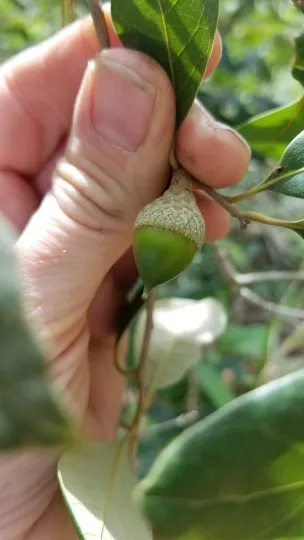
Description
Growing requirements
The Sapotifolia oak (Quercus sapotifolia) is an evergreen tree species belonging to the Fagaceae family, native to the mountainous forests of Central America.
This species requires specific ecological conditions, thriving in high-altitude environments characterized by consistent moisture and moderate temperatures throughout the year.
For successful growth, it requires deep, well-aerated soils with excellent drainage, as the species is sensitive to prolonged waterlogging in the root zone.
Silvicultural practices focus on ensuring proper seedling establishment by providing shade during the initial development phase and avoiding excessive soil compaction.
It serves significant economic and ecological roles, contributing to timber production and acting as a vital component of local forest ecosystems and watershed protection.
Main diseases and pests
The primary threats to this species include root rot diseases caused by soil pathogens when the moisture balance is disrupted in unfavorable growing conditions.
Insect pests, particularly leaf-feeding larvae, can cause substantial damage to young trees, affecting the plant's overall vigor and annual biomass accumulation.
Pathogenic fungi can also infiltrate the bark and wood tissues of stressed specimens, leading to irreversible damage to the tree's internal structure.
Effective management involves regular field inspections to identify early signs of infestation or infection, coupled with strict sanitation practices in the forest.
Preventive measures include maintaining appropriate planting spacing to ensure sufficient airflow and preventing the spread of diseases among dense tree stands.