
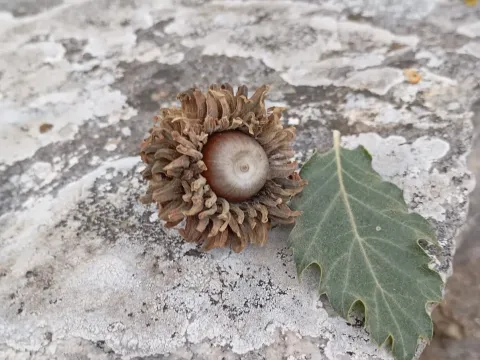
Pyrami Oak
Quercus pyrami
The Pyrami Oak (Latin: Quercus pyrami) belongs to the Fagaceae family. This species is a native tree of the Eastern Mediterranean region, specifically adapted to the rocky and hillside habitats of its natural range. It is distinguished by its robust structure and slow growth rate.
What the section contains
Pyrami Oak
This crop requires well-drained, nutrient-rich, and slightly acidic to neutral soils. It is particularly sensitive to stagnant water, which can trigger root diseases, making site selection with adequate natural drainage critical for its long-term survival.
Regarding climate, the Pyrami Oak thrives in regions with warm, long summers and mild winters. It is relatively drought-tolerant once established, but young trees need consistent moisture and protection from extreme frost during their first years of development.
Agricultural management requires careful attention to soil aeration. Frequent cultivation of the upper soil layer around the base helps to facilitate oxygen exchange, which is vital for the health of the tree's symbiotic fungal associations in the root zone.
Light management is also essential. As a shade-intolerant species during its later stages, it requires adequate spacing to ensure that each tree receives enough sunlight for balanced canopy development and healthy photosynthesis.
The economic utility of the Pyrami Oak is primarily centered on sustainable forestry and biodiversity conservation. Its wood is highly valued for its density and durability, similar to other oak species, making it a premium material for construction and woodworking.
Seed harvesting involves collecting ripe acorns in the autumn, ensuring that seeds are free from pests before storage. Since acorns have a limited shelf life, immediate planting or proper stratification is essential to maintain high germination rates.
Logging practices for this species are conducted under strict sustainability protocols. Given the slow maturation time, selective harvesting is prioritized over clear-cutting to maintain forest integrity and ensure the regeneration of the stand.
Aside from timber, the leaves and bark of the tree contain compounds utilized in the tanning and pharmaceutical industries. These secondary products provide additional value to forest owners who manage the species through sustainable harvesting cycles.
Future prospects for the Pyrami Oak include its incorporation into agroforestry systems as a windbreak and a key component for soil stabilization, further highlighting its multifaceted role in agricultural landscape management.