
Pontian oak
Quercus pontica
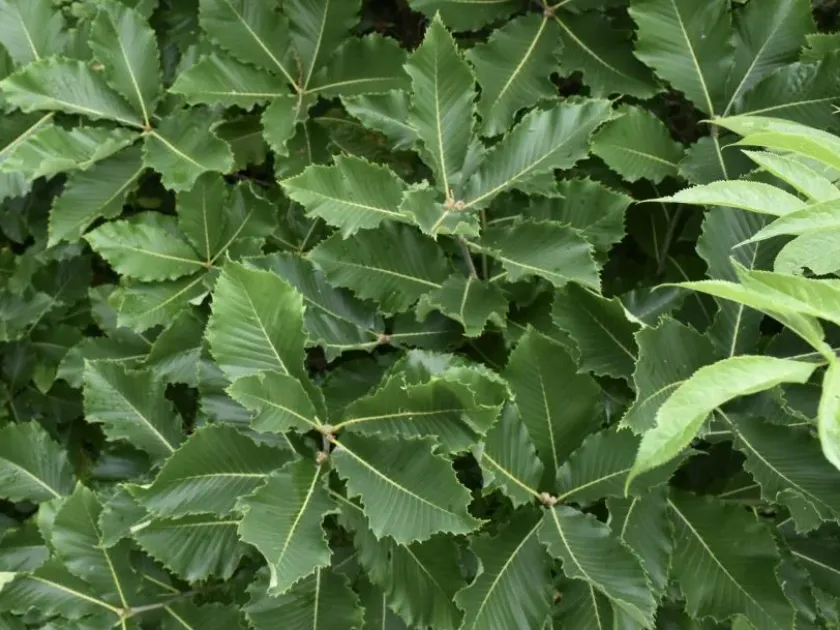
Description
Growing requirements
The Pontian oak (Quercus pontica) is a distinctive deciduous shrub or small tree belonging to the Fagaceae family. Originating from the Caucasus Mountains, this species is noted for its striking appearance and slow growth habit, often reaching only a few meters in height.
Botanically, it is characterized by large, leathery, and deeply veined leaves that turn a rich golden-brown color in the autumn. It typically forms a dense, bushy habit, making it distinct from the common timber-producing oaks found in the lowlands.
The cultivation of this plant requires well-drained, fertile soil with a slightly acidic to neutral pH. It is crucial to avoid heavy or waterlogged soils, as this species is susceptible to root rot if drainage is insufficient in the planting site.
It performs best in locations with full sun to partial shade, where it is protected from strong, drying winds. While it is hardy in temperate climates, young specimens benefit from protective mulching during their initial years to safeguard the root system against winter frost.
Economically and horticulturally, the Pontian oak serves primarily as a high-value ornamental plant. It is frequently utilized by landscapers to add structure and foliage interest to rock gardens, shrub borders, and large container displays in specialized gardens.
Main diseases and pests
Common issues include powdery mildew, which can affect the foliage during humid seasons. To mitigate this, ensure adequate spacing between plants to maintain sufficient air circulation, which helps dry the leaves and reduce fungal growth.
Pest management should focus on monitoring for aphids and leaf-eating beetles during the spring flush of growth. If infestations occur, targeted insecticidal soaps or biological control agents are recommended to maintain the plant's aesthetic value.