
Post oak
Quercus stellata
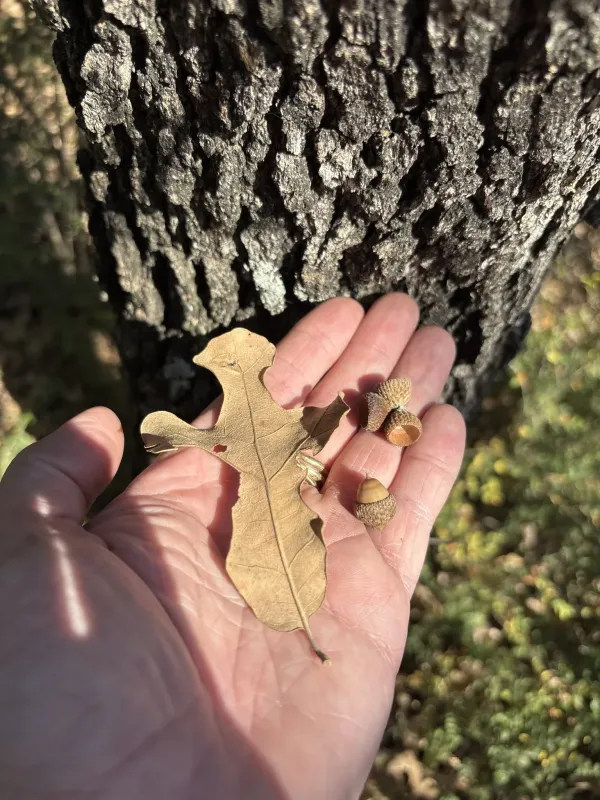
Description
Sowing dates
Sowing acorns of the post oak should ideally be done in the autumn, immediately after harvesting, to allow for natural stratification in the soil over winter.
If spring sowing is planned, seeds must undergo cold stratification at temperatures between 1 and 5 degrees Celsius for approximately two to three months.
The planting depth for acorns is typically 3 to 5 centimeters, depending on the soil moisture levels and the overall texture of the seedbed.
When establishing a nursery, maintaining a spacing of 20-30 centimeters between seedlings is crucial to ensure adequate root development and air circulation.
During the first few years, young trees require protection from rodents and excessive direct heat to ensure high survival rates and steady growth.
Growing requirements
The post oak, a member of the Fagaceae family, is native to the central and eastern United States, adapted to diverse and often harsh environmental conditions.
This species thrives in well-drained, dry, or rocky soils and is well-known for its exceptional tolerance to drought and nutrient-poor ground conditions.
Post oak is a shade-intolerant species that requires full sun exposure to maintain a healthy growth rate and develop its characteristic broad, rounded crown.
It is well-adapted to continental climates with hot summers and cold winters, demonstrating significant hardiness throughout its natural range.
While it is not overly sensitive to soil pH, the species shows the best growth performance on slightly acidic to neutral soils with good drainage.
Yield
The primary economic use of the post oak is in the production of high-density timber, valued for its durability and resistance to rot in damp environments.
Historically, the wood has been heavily utilized for fence posts, railroad ties, and heavy construction projects due to its incredible structural strength.
The acorns are a vital mast crop, providing essential food for a wide variety of wildlife, including deer, squirrels, and wild turkeys.
In landscaping, the post oak is used for urban and park settings where a hardy, drought-tolerant, and slow-growing shade tree is desired.
Sustainable yield management involves selective thinning to promote the growth of the most vigorous individuals and regular health assessments of the stand.
Main diseases and pests
The acorn weevil is a major pest for the post oak, often causing significant damage to seed crops, which limits the potential for natural regeneration.
Various defoliating insects, such as leaf rollers and caterpillars, can cause temporary growth stress by reducing the tree's photosynthetic capacity.
Fungal diseases, including powdery mildew, frequently affect younger trees or seedlings when humidity levels are high and air circulation is restricted.
Bacterial leaf scorch and root rot are serious threats that can lead to the decline of mature specimens if the tree is already under environmental stress.
Integrated pest management, including regular sanitation and monitoring, is the most effective approach to preserving the health of post oak stands.