
Quercus gramuntia
Quercus gramuntia
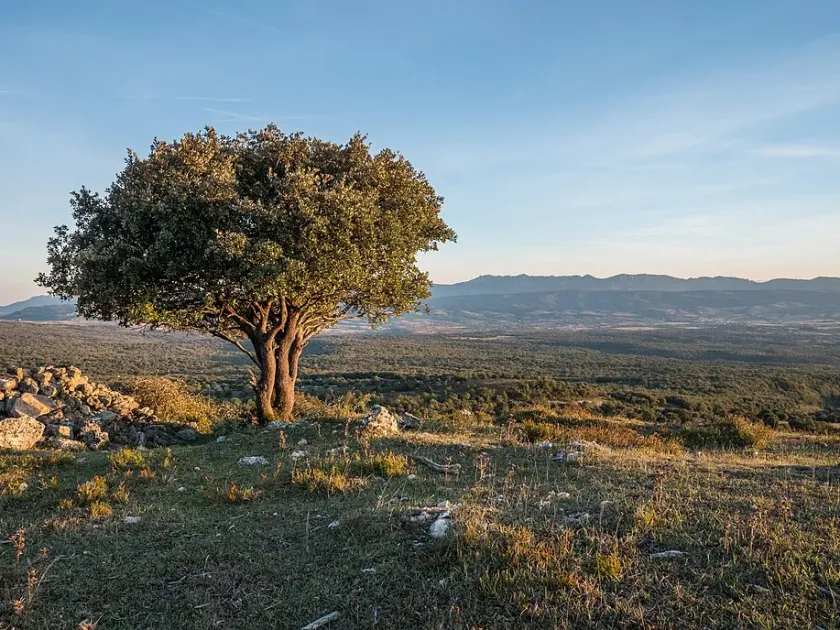
Description
Sowing dates
Sowing seeds of Quercus gramuntia is primarily done in autumn, immediately after harvest, to facilitate natural stratification within the soil. In commercial nurseries, spring sowing is acceptable provided that the acorns have been stored under cold, positive temperature conditions.
The planting depth typically ranges from 3 to 5 centimeters, depending on the soil texture. Ensuring proper contact between the seed and the substrate is crucial for efficient moisture absorption and successful germination.
When transplanting seedlings, the optimal period is early spring before active sap flow begins, or late autumn in regions with mild winters. This timing allows the root system to establish itself before the arrival of intense summer heat.
Planting density varies based on intended use: denser schemes are preferred for timber production, while sparser patterns are utilized in silvopastoral systems to facilitate acorn harvesting and livestock grazing.
Initial care post-sowing includes consistent irrigation and mulching, which helps stabilize soil temperature and suppresses weed growth within the tree's immediate vicinity.
Growing requirements
Quercus gramuntia belongs to the Fagaceae family and is an evergreen species well-adapted to Mediterranean climates. It is characterized by high drought tolerance and the ability to thrive in poor, rocky soil conditions.
The tree requires significant solar exposure for healthy development. It performs poorly under shaded conditions, particularly during its juvenile stage, a factor that must be considered when selecting a site for new plantations.
The species prefers well-drained, neutral to slightly acidic soils. Excessive moisture and waterlogging are detrimental to the root system and can lead to the development of root rot and other fungal diseases.
A moderately warm climate is ideal. While the species exhibits some resistance to brief frosts, prolonged severe winters can negatively impact crown development and annual growth rates.
The agronomic management plan should include regular monitoring of soil pH levels and the application of balanced mineral fertilizers to boost the plant's natural immunity during its early growth years.
Yield
The primary economic product of Quercus gramuntia is its acorns, which serve as a vital feed source for livestock, most notably in the production of Iberian pork. Yield depends heavily on tree maturity and proper maintenance.
Fruiting typically begins at a relatively advanced age of 15–20 years, although intensive agronomic practices can accelerate this process. Peak productivity is reached during the tree's full maturity phase.
The acorns of this species are highly valued for their nutritional composition, specifically their lipid content, which makes them an essential component of traditional pasture-based livestock farming.
The wood of this oak is renowned for its durability and density, making it a sought-after material in furniture manufacturing and construction. It is highly resistant to decay and mechanical stress.
Total plantation output correlates strongly with crown density and incident light levels. Strategic pruning and thinning are necessary to ensure resources are channeled efficiently toward fruit production.
Main diseases and pests
One of the primary threats to this species is root phytophthora, which is frequently exacerbated by waterlogged soil combined with high ambient temperatures.
The trees are susceptible to various insect pests, including oak jewel beetles and leaf beetles, which can significantly reduce the photosynthetic surface area of the crown if not monitored.
Fungal infections, such as powdery mildew, may affect young shoots in humid environments, necessitating timely preventative fungicide treatments to protect the tree's health.
Improper agronomic management and mechanical damage to the trunk provide entry points for pathogens, often leading to premature branch dieback or the decline of the entire tree.
To mitigate these risks, it is recommended to maintain strict phytosanitary measures, promptly remove infected plant material, and ensure consistent monitoring of the plantation's overall health status.
Harvesting
Acorn harvesting is primarily conducted manually or by shaking the branches once the fruit has fully ripened, turning a characteristic color and separating easily from the cupule.
The harvest timing is dictated by regional climatic patterns, generally occurring between October and December. Avoiding prolonged contact between fallen acorns and damp soil is essential to prevent spoilage.
After collection, the fruits require drying in well-ventilated areas. This process prevents mold development and preserves the acorn's nutritional integrity for long-term storage or immediate fodder use.
When selecting acorns for propagation, grading and the removal of damaged or infested specimens are vital. High-quality seeds must possess intact shells without visible signs of pest activity.
Timber harvesting is carried out during planned sanitary thinning or upon reaching technical maturity. Proper seasoning and drying of the wood are mandatory stages to prevent cracking and structural deformation.