
Quercus oidocarpa
Quercus oidocarpa
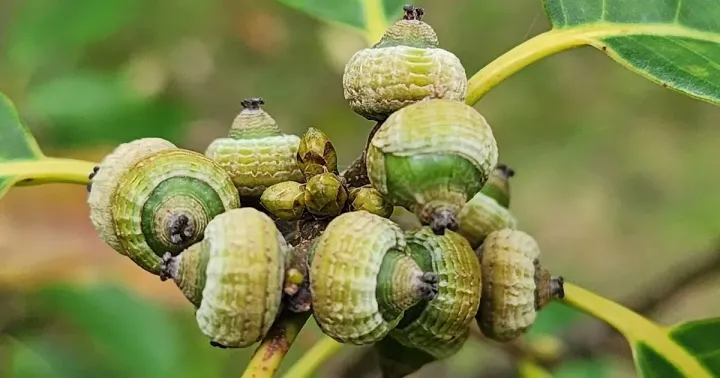
Description
Growing requirements
Quercus oidocarpa is a notable species belonging to the Fagaceae family, specifically adapted to the tropical climates of Southeast Asia. This evergreen tree is recognized for its unique morphological features and its role in maintaining the health of montane forest ecosystems.
The climate requirements for this species are strictly tied to high humidity and moderate tropical temperatures. It thrives in regions where cloud cover provides consistent moisture, which is essential for the physiological processes of this specific oak variety.
Regarding soil conditions, Quercus oidocarpa requires substrates that offer excellent drainage while remaining nutrient-dense. The tree does not tolerate waterlogging, meaning that mountainous terrains with porous soil structures provide the most suitable environment for growth.
Botanically, the species is defined by its coriaceous leaves and distinct acorn morphology, which are typical adaptations for surviving in complex tropical forest architectures. The tree exhibits a slow to moderate growth rate, contributing to the structural density of the canopy.
Host-specific interactions are common in this species, as it serves as a critical habitat component for local fauna. Its presence supports forest biodiversity, and the management of such species requires careful attention to the preservation of natural forest microclimates.