
Quercus obtusata
Quercus obtusata
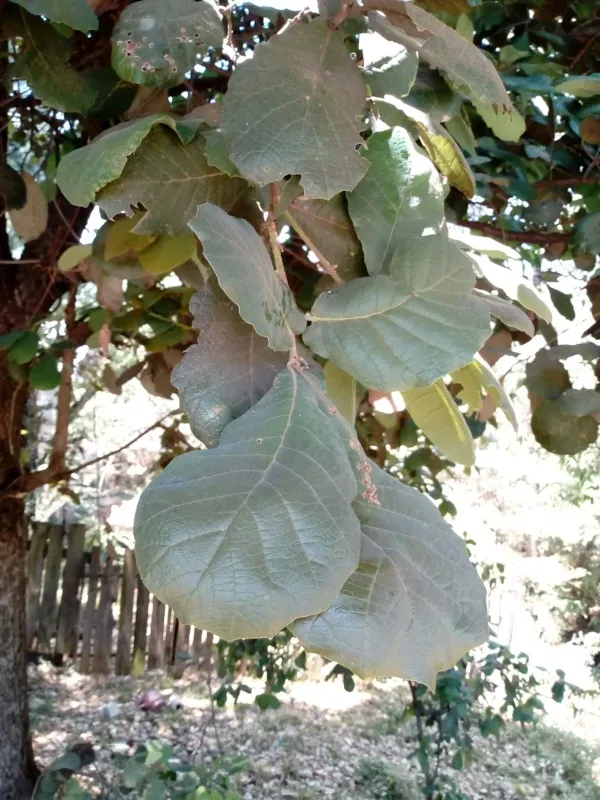
Description
Growing requirements
Quercus obtusata, commonly known as the blunt-leaved oak, belongs to the Fagaceae family. This species is native to the mountainous regions of Mexico, where it plays a critical role in the composition of oak-pine forests.
The tree thrives in climates characterized by moderate precipitation and seasonal variability. It is well-adapted to high-altitude environments, showing significant resilience to fluctuations in temperature and occasional drought periods common in its native range.
Soil requirements for Quercus obtusata include well-drained conditions with a tendency towards slightly acidic to neutral substrates. Heavy clay soils that retain excessive moisture should be avoided to prevent root rot and ensure healthy development.
Agronomic practices for this species emphasize proper spacing to facilitate crown growth and light penetration. While mature trees are quite hardy, establishing saplings requires careful monitoring of moisture levels during the first two to three growing seasons.
Economically, this oak is valued for its durable wood, which is utilized in local construction and furniture making. It is also an essential component for reforestation projects aimed at restoring highland forest ecosystems and maintaining biodiversity.
Main diseases and pests
The primary health concerns for Quercus obtusata involve fungal infections of the bark and root system, often triggered by poor site drainage or overly dense stand conditions.
Various defoliating insects pose a threat during high-density infestations, which can stunt tree growth and reduce overall vigor if not managed through proper forest sanitation.
Physical injuries to the trunk or branches must be avoided, as these wounds provide entry points for pathogens that can lead to wood decay and long-term structural weakness.
Effective management includes maintaining tree vigor through appropriate site selection and periodic thinning of forest stands to promote better airflow and disease resistance.
Regular monitoring by forestry professionals is essential to track the presence of common oak pests and implement integrated pest management strategies if thresholds of damage are exceeded.