
Oblong-leaf oak
Quercus oblongata
Description
Growing requirements
Oblong-leaf oak (Quercus oblongata) is a deciduous tree species belonging to the Fagaceae family. It is native to the mountainous regions of Western Asia and the Caucasus, where it has adapted to specific climatic conditions characterized by hot summers and cold winters.
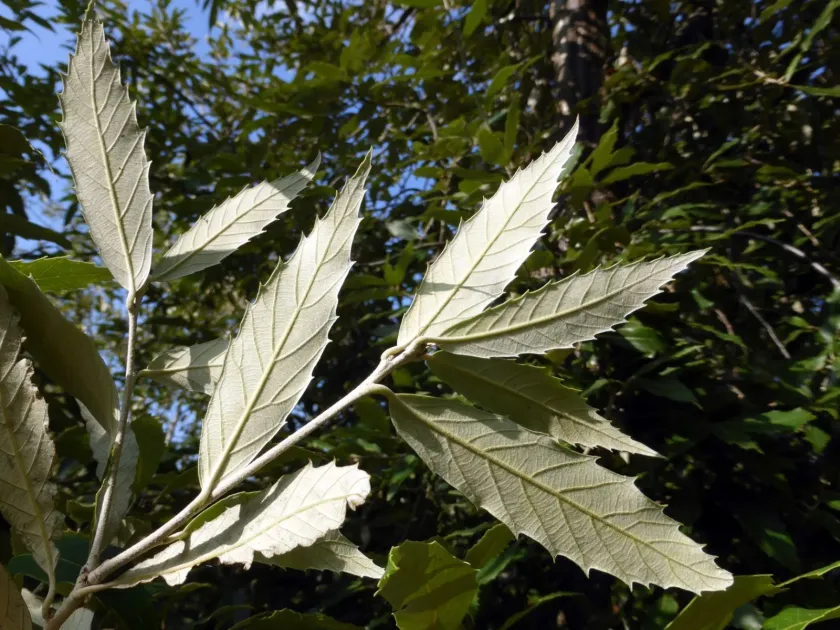
The botanical profile of the tree includes its distinct oblong-shaped leaves, which are often pubescent on the underside. This structure provides a natural defense mechanism against excessive transpiration, allowing the tree to thrive in habitats where water availability is periodic or limited.
The culture requires well-drained soil to thrive, as its root system is sensitive to waterlogging. It is particularly well-suited for planting on slopes and in rocky terrains, where it acts as a stabilizer for soil preventing erosion caused by mountain runoff.
Regarding agrotechnical management, the establishment of the plantation requires careful weed control during the first three to five years. Once established, the species is highly resilient and requires little maintenance, making it an excellent candidate for large-scale reforestation projects.
Economically, this oak species is valued for its hardiness and timber quality. It plays a significant role in landscape architecture for arid regions and is an important component of forest ecosystems that provide habitat for local fauna.
Main diseases and pests
Common biological threats include powdery mildew outbreaks, especially in dense nursery settings. Furthermore, like many members of the genus Quercus, it can be susceptible to wood-boring beetles that target stressed or aging individuals if the stand is not managed correctly.