
Palestine oak
Quercus calliprinos
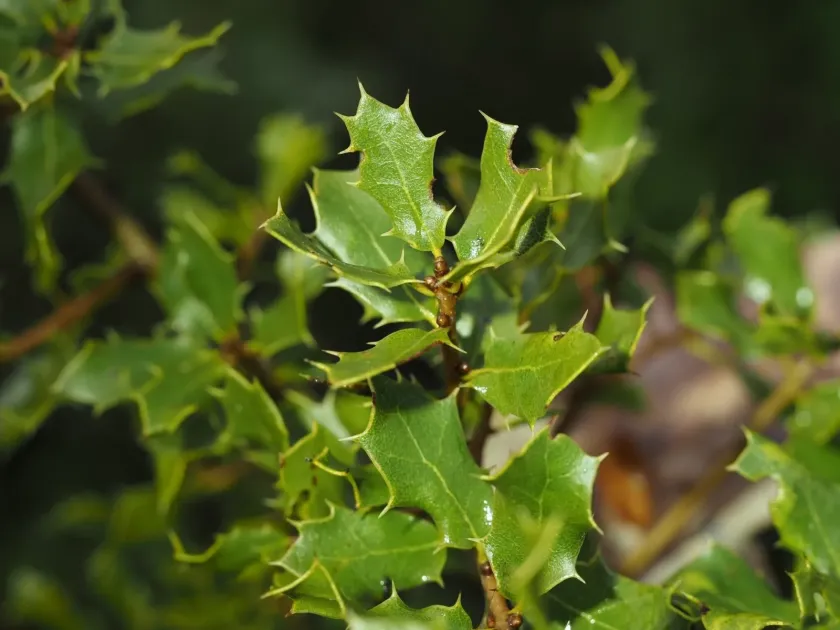
Description
Growing requirements
The Palestine oak (Quercus calliprinos) is an evergreen member of the Fagaceae family, native to the Mediterranean region. It typically grows as a dense, long-lived tree or a shrub, serving as a cornerstone of local biodiversity.
This species is highly resilient to arid conditions and thrives in environments with poor, rocky, or calcareous soils. Its ability to extract moisture from deep fissures in limestone makes it an exceptionally hardy plant in dry landscapes.
Regarding climate requirements, it prefers mild, rainy winters and hot, dry summers. While it can adapt to various altitudes, it avoids zones with extreme frost, which can damage young, unprotected foliage.
Agronomic management involves minimal intervention once the tree is established. Pruning is primarily performed for aesthetic purposes or to improve wood quality in commercial stands, as the tree tends to develop a very complex, multi-stemmed structure.
Historically and commercially, the timber of the Palestine oak is prized for its hardness and durability. Additionally, the tree plays a crucial role in preventing soil erosion and serves as a natural habitat for numerous insect and bird species.
Main diseases and pests
The primary threats to Quercus calliprinos include fungal pathogens such as root rot, which typically occur in poorly drained, compacted soils. These diseases can compromise the structural integrity of the tree system.
Insect pests, including various types of leaf-miners and wood-boring beetles, are common challenges. These pests can cause significant defoliation and weaken the vascular system of the tree during exceptionally dry seasons.
Forest fires pose an existential threat to mature stands. Although the species has a high regenerative capacity and can sprout from stumps, frequent fires prevent the reaching of full timber maturity.
Parasitic plants like mistletoe frequently infect the canopy, drawing water from the host and causing branch dieback. Mechanical control through pruning is the most effective method for managing such infestations.
Climate-induced stress is an emerging threat, as prolonged drought conditions facilitate the spread of secondary pathogens. Maintaining tree health through moderate mulching and avoiding soil compaction is recommended.