
Oak hybrids
Quercus hybrids
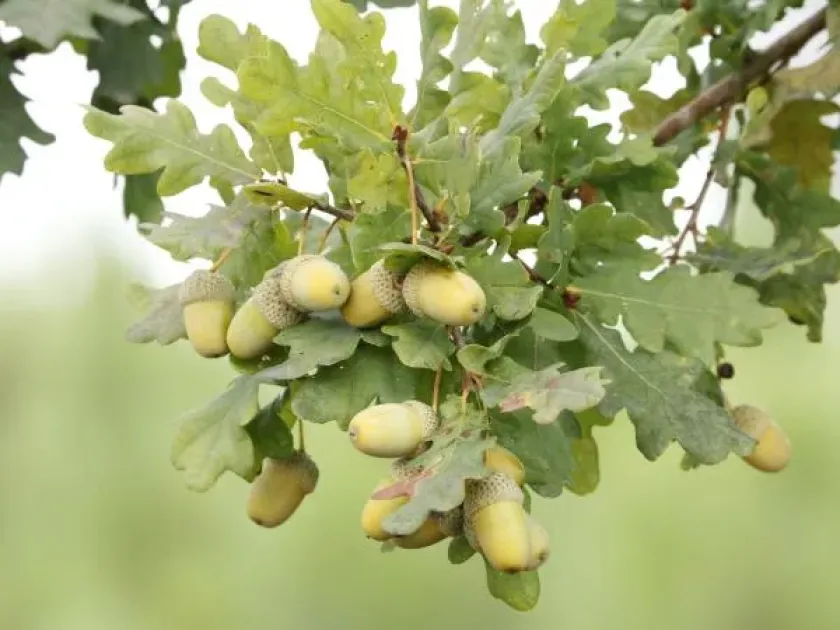
Description
Sowing dates
Sowing oak hybrids is typically performed in autumn immediately after acorn maturation. This allows the seeds to undergo natural stratification, which is critical for breaking dormancy and ensuring uniform germination.
Spring sowing requires careful management of stored acorns. Keeping them at a constant low temperature and high humidity is essential to maintain viability and prevent premature radicle emergence.
The planting depth should be approximately three times the diameter of the acorn. Consistency in depth ensures that seedlings emerge simultaneously, reducing the risk of uneven competition.
Nursery practices often involve containerized production, which minimizes transplant shock when the hybrids are moved to their permanent locations in forest stands or parks.
Spacing during sowing is determined by the intended final density of the stand, considering that hybrids often exhibit hybrid vigor and faster initial growth compared to parent species.
Growing requirements
Oak hybrids (family Fagaceae) thrive in deep, well-drained, nutrient-rich soils. They generally show a preference for loamy soil compositions that retain sufficient moisture without being waterlogged.
These trees require substantial solar exposure. While some hybrids are more shade-tolerant during their initial development, most will perform significantly better in full sunlight as they mature.
Effective weed control is a cornerstone of hybrid oak management. Removing competing vegetation within a one-meter radius of the sapling is essential during the first three to five years of establishment.
Soil pH should ideally range from slightly acidic to neutral. In overly alkaline soils, nutrient deficiencies such as chlorosis may occur, which can be managed with targeted fertilization.
Water management is critical during the establishment phase. While mature trees are often drought-tolerant, young hybrids require consistent irrigation during the peak of the growing season.
Main diseases and pests
Foliage-feeding insects, including oak leaf rollers and various caterpillars, can lead to significant defoliation, particularly in young stands where the canopy is still forming.
Powdery mildew represents a persistent threat, especially in humid and stagnant air conditions. It affects the aesthetic quality of the foliage and can inhibit the growth rate of saplings.
Boring insects can attack stressed or poorly maintained trees. Ensuring optimal tree health through proper fertilization and pruning is the best form of defense against these pests.
Root rot diseases are primarily associated with poorly drained sites. Avoiding low-lying areas and ensuring proper soil aeration are the most effective preventative measures.
Monitoring the forest health involves regular scouting for signs of stress, such as crown dieback or unusual leaf discoloration, allowing for prompt intervention with suitable treatments.
Harvesting
The harvest of oak hybrids is usually focused on timber production, requiring long-term rotation cycles, often ranging from 60 to 100 years depending on the species and site conditions.
Selective thinning is practiced throughout the growth cycle to remove inferior or damaged specimens, ensuring that the remaining high-quality hybrids have sufficient space for development.
Final harvest is conducted when the trees reach their target diameter at breast height (DBH). Modern forestry emphasizes sustainable yield techniques to maintain ecological balance.
Wood quality is assessed based on the straightness of the trunk, the absence of knots, and the density of the growth rings, which are often enhanced in selected hybrid varieties.
Post-harvest management includes preparing the site for regeneration, whether through natural seeding from remaining healthy trees or by planting new hybrid saplings.