
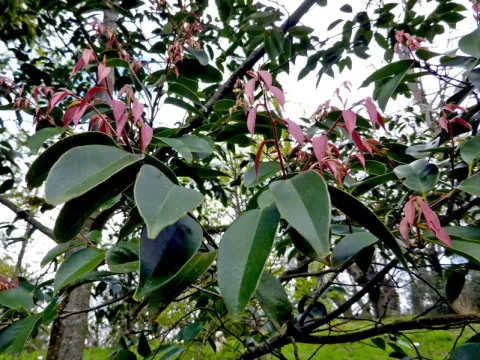
Quercus oxyodon
Quercus oxyodon
Quercus oxyodon is a hardwood species belonging to the Fagaceae family, widely recognized for its unique morphology and ecological resilience. The tree is native to the mountainous forest regions of East Asia, including parts of China and the Himalayas.
What the section contains
Quercus oxyodon
The species thrives in environments with moist, nutrient-rich soils that offer excellent drainage. It is typically found at higher altitudes, where it adapts to varying degrees of slope exposure and temperate mountain climate conditions.
Cultivation requires careful site selection, emphasizing the need for forest-like conditions where humidity levels remain consistent throughout the growing season. Young plants benefit significantly from shelter against harsh, drying winds.
From a botanical standpoint, this oak is distinguished by its elongated, sharply serrated leaves, which provide a unique aesthetic and biological signature. The tree architecture usually features a sturdy, upright trunk and a spreading canopy.
Economically, the species is harvested for its durable and high-quality timber, used in carpentry and furniture making. Furthermore, it plays a vital role in local ecosystem stabilization and soil erosion control programs.
The primary threats to Quercus oxyodon include various fungal diseases that thrive in high-humidity habitats, specifically those causing leaf spots and powdery mildew.
Insect pests, including various defoliating larvae and borers, represent a significant risk to the overall vigor of the tree, especially in dense monoculture plantations where outbreaks can spread rapidly.
Root system health is often compromised by soil-borne pathogens if the drainage is inadequate, leading to root rot and long-term decline in the health of the trees.
Effective management requires a combination of Integrated Pest Management (IPM) practices, such as pruning affected branches and applying targeted organic treatments to reduce fungal spore count.
Regular forest inspections are essential to identify infestations early, preventing the need for extensive chemical interventions that could negatively affect the forest ecosystem balance.