
Quercus parvula
Quercus parvula
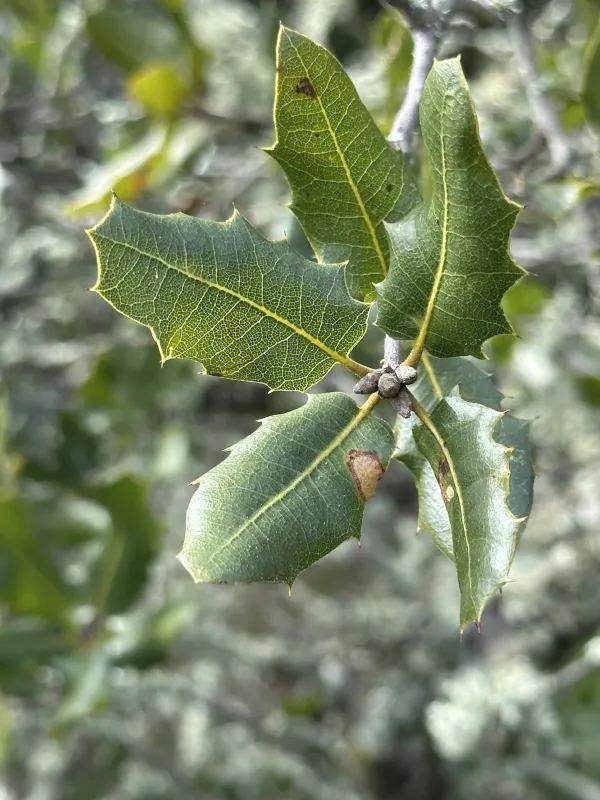
Description
Growing requirements
Quercus parvula is an evergreen tree species belonging to the Fagaceae family. It is a native tree of California, typically found in coastal regions where it thrives under Mediterranean-like climatic conditions.
The species prefers well-drained soils, often rocky or sandy, which allow for optimal root respiration. It demonstrates a high level of tolerance to poor soil fertility, making it a robust choice for specialized landscape projects in its natural range.
Climate requirements include exposure to plenty of sunlight and moderate temperatures. While the tree shows resilience to drought once established, young saplings require supplemental irrigation to ensure successful survival during their first years of growth.
Cultural practices should prioritize minimal soil disturbance. Due to its slow growth rate, intensive cultivation techniques such as heavy fertilization are not recommended, as they can cause rapid, weak growth that is prone to physical damage.
Its primary use is in restoration ecology and ornamental horticulture. The tree is often selected for its evergreen foliage and its ability to act as a significant windbreak in coastal garden settings.
Main diseases and pests
The most significant threat to the species is Phytophthora ramorum, the pathogen responsible for Sudden Oak Death. This disease causes cankers on the bark, eventually compromising the tree's vascular system.
Pests such as leaf-mining insects and various beetles can negatively impact the health of the canopy. Extensive defoliation caused by these pests weakens the tree, making it more susceptible to environmental stressors.
Root rot is a common issue when plants are situated in areas with poor drainage or over-irrigation. Maintaining a dry zone around the root crown is essential to prevent these fungal infections from establishing.
Sanitation practices are vital for preventing the spread of diseases. Pruning shears must be sterilized after working on infected wood, and all debris should be cleared from the site to reduce the pathogen load.
Sustainable pest management focuses on fostering local biodiversity, which encourages natural predators to control insect populations, reducing the need for broad-spectrum chemical interventions.