
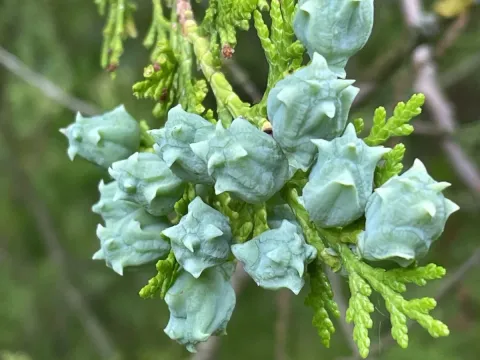
Platycladus orientalis
Platycladus
Platycladus orientalis is typically propagated by seeds sown in the fall or spring after a period of stratification. Seed preparation is essential for successful germination rates, as the seeds often exhibit deep dormancy.
What the section contains
Platycladus orientalis
Vegetative propagation is commonly performed using semi-hardwood cuttings collected in early summer. This method ensures that the offspring maintain the exact characteristics of the parent plant, which is vital for ornamental landscaping.
When transplanting saplings, it is recommended to do so in early spring. This timing allows the root system to establish itself before the onset of summer heat, reducing the need for constant maintenance.
Young plants require consistent watering during their first two seasons. Mulching the base of the plant is highly beneficial for soil moisture retention and weed control in the growing area.
Spacing is critical when establishing hedges or ornamental clusters. Depending on the intended design, trees should be placed at distances that allow for proper air circulation to prevent fungal issues.
Platycladus orientalis, a member of the Cupressaceae family, is an evergreen conifer native to East Asia. It is often referred to in horticultural circles as Oriental Arborvitae or Biota.
This species thrives in full sun but possesses the ability to tolerate partial shade. While it can survive in various conditions, optimal growth and color are best achieved when the tree receives ample sunlight throughout the day.
The plant is highly adaptable to a variety of soil types, including sandy, loamy, and rocky soils. However, it performs best in well-drained substrates that do not allow water to stagnate near the roots.
It is relatively drought-tolerant once established, although prolonged dry spells can lead to foliage browning. The tree shows moderate cold hardiness but may require protection in extreme winter environments.
Its high tolerance for urban pollution and wind makes it a preferred choice for roadside planting, municipal parks, and privacy screens in suburban settings.
The timber of Platycladus orientalis is valued for its durability and resistance to decay, making it suitable for furniture production and small construction projects. It has a long history of use in East Asian woodwork.
Medicinal applications of the plant are based on extracts from its leaves and seeds. These contain essential oils and phytochemicals utilized in traditional and modern herbal preparations for various health benefits.
In landscaping, the primary yield is aesthetic value. The plant is prized for its year-round green foliage and its structural adaptability to clipping, which allows for intricate topiary designs.
Growth rates are generally slow to moderate, which is an advantage for those seeking low-maintenance landscape structures that do not require frequent heavy pruning to stay in shape.
Properly maintained plantings provide significant environmental benefits, including dust filtration, noise reduction, and the stabilization of soil on slopes where other plants might struggle to grow.
Scale insects represent a primary threat to the vitality of the plant. These pests feed on the sap and can lead to yellowing foliage and branch dieback if not managed with systemic insecticides.
Spider mites are common in hot, dry climates. They often colonize the underside of foliage, leading to a dull or stippled appearance. Regular rinsing and acaricide applications are effective control methods.
Fungal diseases, including root rot and needle blight, are often caused by poor drainage or overly humid conditions. Avoiding overhead irrigation during evening hours can significantly reduce the risk of outbreaks.
Sanitation is a key component of disease management. Prompt removal and destruction of infected or dead branches help limit the spread of pathogens to healthy parts of the canopy.
- Scale insects
- Spider mites
- Needle blight (fungal)
- Root rot
- Twig dieback