
Saharan Cypress
Cupressus dupreziana
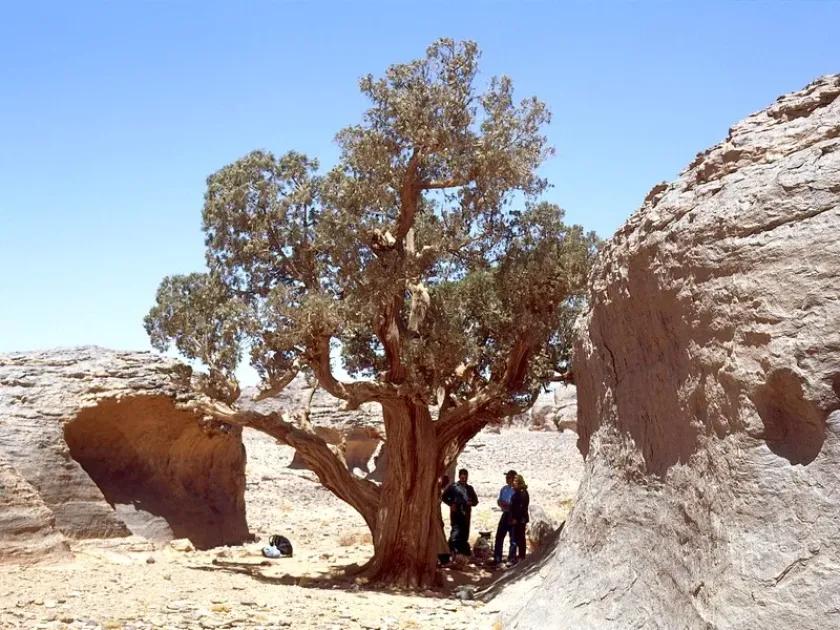
Description
Growing requirements
The Saharan Cypress, scientifically known as Cupressus dupreziana, is a rare and critically endangered coniferous tree belonging to the Cupressaceae family. It is endemic to the Tassili n'Ajjer plateau in the central Sahara, where it thrives in an extremely arid climate.
Cultivating this species requires selecting sites with full sun exposure and exceptional soil drainage. The plant has evolved to survive with very little water, making it unsuitable for areas with high rainfall or heavy, compacted soil types.
When planting, it is essential to ensure the root ball is not sitting in stagnant water. Gravelly or sandy loam soils that mimic the natural rocky terrain of its native habitat are the most appropriate choice for success in the garden.
The species demonstrates remarkable temperature tolerance, including survival during intense heat waves. However, young specimens benefit from shelter against strong winds until they establish a robust and deep root system.
Agrotechnical care focuses primarily on site selection and minimal disturbance. Supplemental irrigation should be provided only during prolonged droughts, as over-watering is the fastest way to cause decline in this desert-adapted plant.
Main diseases and pests
The primary threat to the health of Cupressus dupreziana in cultivation is root rot caused by fungal pathogens such as Phytophthora. These organisms flourish in wet, poorly drained soils and can kill the tree rapidly.
Pests like cypress aphids and scale insects are common nuisances that can cause premature foliage drop and weaken the plant. Regular monitoring of the foliage and timely application of horticultural soaps or insecticides are recommended.
Improper spacing in landscape design can lead to poor air circulation, which increases the risk of fungal foliage diseases. Ensuring proper distance between individual trees is a critical preventative measure.
Mechanical damage to the bark or branches can expose the inner tissues to secondary infections. All pruning activities should be performed using sanitized tools during dry, cool weather to minimize the risk of pathogen entry.
Maintaining balanced nutrition is crucial, as both nutrient deficiencies and fertilizer excesses can stress the tree, making it more susceptible to opportunistic pests and diseases throughout the growing season.