
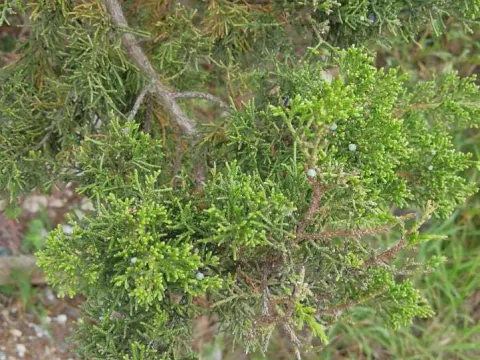
Saltillo juniper
Juniperus saltillensis
The Saltillo juniper (Juniperus saltillensis) is a perennial coniferous tree or shrub belonging to the Cupressaceae family. It is native to the mountainous terrains of northeastern Mexico, where it thrives in rugged, arid environments.
What the section contains
Saltillo juniper
Cultivation of this species requires well-drained soil types. It is particularly well-adapted to rocky, calcareous soils which mimic its natural mountainous habitat. Good drainage is the most critical factor to prevent root-related issues.
The plant demonstrates high tolerance to drought conditions, making it an excellent candidate for xeriscaping and sustainable landscaping. It requires full sunlight exposure to maintain its dense foliage color and structural integrity.
Maintenance needs are relatively low due to the species' slow growth rate. While it tolerates poor soil nutrients, an occasional application of balanced fertilizer during the early spring may support steady development.
In landscaping, the Saltillo juniper is prized for its aesthetic appeal in rock gardens and hillside stabilization. It serves as both a focal point and a structural element in various climate-appropriate garden designs.
The primary threats to Juniperus saltillensis involve fungal pathogens linked to poor drainage or overly humid climates. Phytophthora root rot is a common issue that necessitates proper site preparation before planting.
Pests such as spider mites, scale insects, and juniper aphids can infest the branches. Regular inspection of the needles and twigs is recommended to catch infestations before they cause significant needle drop or canopy dieback.
Rust diseases are also a concern in areas with high seasonal rainfall. These infections typically manifest as galls or discolored lesions on the stems, requiring localized pruning and fungicides to manage spread.
Poor airflow within the canopy can exacerbate the risk of fungal growth. It is advisable to maintain enough spacing between plants to ensure that foliage dries quickly after rain or irrigation events.
Effective management includes sanitation: removing dead or dying branches promptly and disposing of them away from the planting site. Keeping the base of the plant free from excessive organic mulch helps prevent humidity-related problems.