
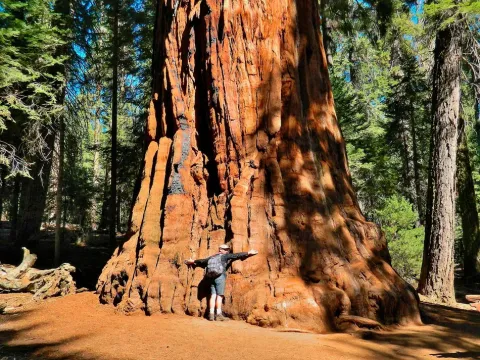
Redwood
Sequoia
Sequoia (Sequoia) is a genus of coniferous trees in the Cypress family (Cupressaceae). It represents one of the most majestic tree species, known for its extraordinary height and its natural habitat restricted to the coastal fog belt of California and Oregon.
What the section contains

Redwood
The climate requirements for Sequoia involve high atmospheric humidity and mild temperatures. It thrives in regions with consistent rainfall and frequent maritime fog, which helps reduce evapotranspiration and maintains the physiological balance of the tree.
Soil management is crucial for the successful cultivation of these trees. They require deep, well-drained, nutrient-rich soils. While they prefer alluvial soils, they can adapt to various conditions provided that there is excellent drainage to prevent root asphyxiation caused by waterlogging.
Agricultural practices for young plantations focus on weed control and soil moisture maintenance. Mulching is highly recommended to protect the sensitive surface root system from temperature fluctuations and to enhance soil structure over time.
Commercially, Sequoia is prized for its rot-resistant, lightweight, and durable wood. Beyond timber production, these trees serve as vital elements in carbon sequestration projects and large-scale landscape architecture where climate conditions support their rapid growth.
The main pathological threats include root rot pathogens, specifically those triggered by poor soil aeration. To manage these, it is essential to ensure that the site selection prioritizes good permeability and drainage.
Common pests include certain types of aphids and spider mites that may affect nursery seedlings. Monitoring and integrated pest management strategies are necessary to maintain healthy growth rates during the tree's formative years in an plantation environment.