
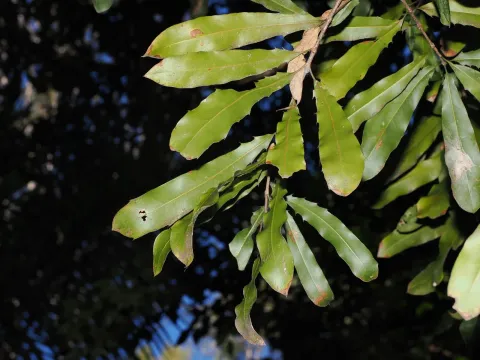
Macadamia integrifolia
Macadamia integrifolia Maiden et Betche
Commercial propagation of Macadamia integrifolia is primarily conducted vegetatively through grafting elite scions onto rootstocks. This method ensures the preservation of desirable traits, as seed propagation leads to genetic variation and significantly delays the onset of fruit production.
What the section contains
Macadamia integrifolia
Planting saplings in their permanent location is typically done at the onset of the rainy season to provide young trees with optimal conditions for establishing a root system. Using grafted material guarantees the start of flowering and fruit bearing within 3 to 5 years.
The spacing between trees in a plantation depends on the chosen layout and management intensity. Growers generally maintain a density of approximately 200–300 trees per hectare to ensure adequate light penetration for each canopy.
Soil must be deeply prepared and well-drained before planting, as waterlogging is detrimental to the tree's health. Incorporating organic matter during soil preparation helps to improve structure and nutrient availability for the developing root system.
In regions with a marked dry season, the installation of a drip irrigation system is mandatory. Providing consistent water to young trees during their first two years is the most critical factor for survival and future crop productivity.
Macadamia integrifolia is an evergreen tree of the Proteaceae family, native to the coastal rainforests of Queensland, Australia. The crop thrives in tropical and subtropical climates with moderate temperature ranges.
Optimal growth temperatures lie between 18°C and 25°C. The tree is highly sensitive to frost; even brief exposure to temperatures below freezing can cause the death of young shoots and severe damage to mature specimens.
The crop requires high humidity and soil moisture levels, yet it cannot tolerate saturated conditions. The ideal soil profile consists of loose, fertile, well-drained loams with a pH level ranging from 5.0 to 6.5.
Sunlight is a key factor for the tree's physiology; macadamias require intense solar radiation to support photosynthesis and the fruit setting process. In shaded environments, yield drops significantly, and the tree structure becomes sparse.
Protection from strong winds is essential due to the fragile nature of the wood. The establishment of windbreaks around the orchard perimeter helps reduce mechanical damage to branches and prevents the loss of fallen nuts.
Commercial yields begin gradually, reaching peak productivity between 10 and 15 years of age. A mature, well-maintained tree can produce between 20 and 50 kilograms of nuts in the shell per season.
Yield levels depend heavily on cultivar selection and the intensity of cultural practices, including regular pruning and balanced fertilization. Adequate application of potassium and phosphorus is crucial for kernel quality and oil content.
Alternate bearing can occur if environmental conditions are suboptimal or if nutrient deficiencies persist. To minimize this, farmers employ managed pruning cycles and careful monitoring of the tree's leaf canopy health.
Harvesting is mainly performed via mechanical equipment or hand-gathering after the nuts fall naturally. The quality of the final product is directly linked to the speed of collection, as nuts left on moist soil quickly deteriorate.
Post-harvest, the nuts require immediate processing, including de-husking and drying. Proper drying reduces kernel moisture content to 1.5–3%, ensuring long-term shelf stability without loss of flavor or texture.
The primary threats to macadamia orchards are pests that target the fruit, most notably the macadamia nut borer. These larvae penetrate the shell, rendering the kernel unsuitable for commercial sale.
Spider mites and thrips can damage tender young foliage, reducing the tree's overall photosynthetic output. Farmers utilize integrated pest management (IPM) strategies, which include biological control agents to keep populations in check.
Fungal diseases, such as root rot, often develop in conditions of poor soil aeration and excessive moisture. Infected trees decline rapidly, making strict irrigation management the best form of preventative care.
Anthracnose is a prevalent disease affecting both leaves and fruit, triggered by specific pathogens. High humidity and poor canopy ventilation facilitate rapid spread, necessitating timely preventative fungicide applications.
- Regular sanitary pruning to improve canopy airflow.
- Monitoring pest populations using pheromone traps.
- Prompt removal and disposal of diseased plant debris.
- Maintaining optimal mineral nutrition levels.
- Using disease-resistant clonal rootstocks.
Harvesting is a labor-intensive process that spans several months because fruit maturity is asynchronous. Collection is performed periodically, gathering nuts that have dropped to the ground.
To prevent losses, the orchard floor beneath the trees must be kept free of weeds and debris. Using nets or cleared ground surfaces significantly simplifies collection and ensures the cleanliness of the harvested crop.
Quality control begins at harvest: nuts showing signs of rot or insect damage must be culled early. This step is vital to prevent the contamination of healthy batches during the subsequent drying and storage phase.
Mechanized sweeping equipment helps reduce the time nuts spend on the soil, which is critical during rainy periods to prevent germination or mold growth on the shells.
After collection, the produce is transported to processing facilities for cleaning, grading, and drying. High-quality, dried macadamia nuts are valued worldwide for their high healthy fat content and distinctive buttery flavor.