
Lomatia tinctoria
Lomatia tinctoria
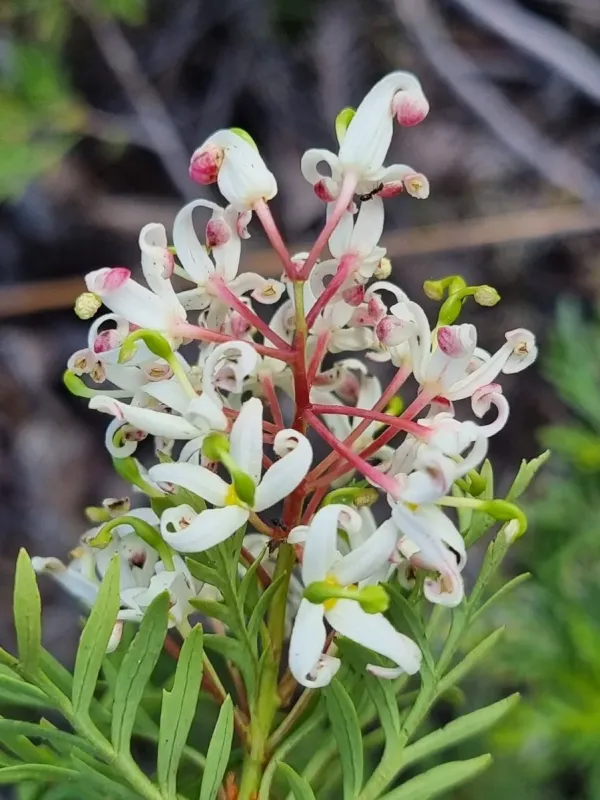
Description
Growing requirements
Lomatia tinctoria is a distinctive evergreen shrub belonging to the Proteaceae family, endemic to the island of Tasmania. It is characterized by its hardy nature and preference for cool, temperate climates with high ambient humidity.
The cultivation of this plant requires specific soil conditions, notably well-drained, acidic soils that are extremely low in phosphorus. Because Proteaceae plants are sensitive to excess nutrients, conventional chemical fertilizers can be fatal to the root system.
Botanically, the species features pinnately lobed, leathery leaves and terminal racemes of cream or yellowish flowers. Its structure allows it to thrive in open forest environments, where it receives dappled sunlight and protection from harsh weather.
Agrotechnical management focuses on minimal disturbance to the root environment. Mulching is highly recommended to mimic natural leaf litter, which helps regulate soil moisture and temperature without the need for intensive irrigation.
Propagation is typically achieved through seeds or semi-hardwood cuttings. Given its niche requirements, Lomatia tinctoria is best suited for specialized environments where soil chemistry can be strictly maintained to match its natural habitat.
Harvesting
The primary economic value of Lomatia tinctoria lies in its historical and modern application as a source of natural dyes. The pigments derived from various parts of the plant are prized for producing earthy tones in textile applications.
Harvesting strategies involve selecting mature biomass during specific stages of the plant's cycle to ensure the highest concentration of tannins and coloring agents, ensuring high-quality raw material extraction.
Post-harvest processing requires immediate, controlled drying in shaded, ventilated areas. This is crucial to prevent oxidation and degradation of the sensitive pigments, ensuring the durability of the final dye product.
Beyond its industrial utility, the plant serves an important role in horticulture as an ornamental shrub. It is often sought after for temperate gardens that require unique structural features and interest throughout the seasons.
Lomatia tinctoria represents a niche market opportunity, particularly as global trends shift towards sustainable and ethically sourced natural pigments for the fashion and manufacturing industries.