
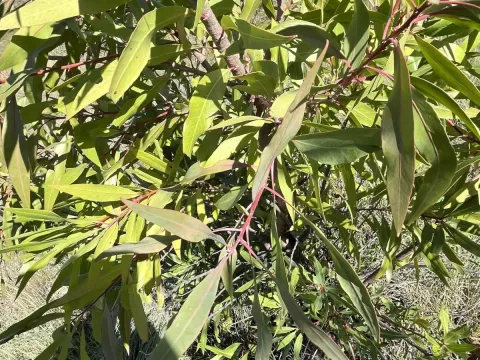
Transvaal beech
Faurea saligna
The Transvaal beech, scientifically known as Faurea saligna, is a prominent tree species belonging to the Proteaceae family. Native to the savannahs and woodlands of southern and central Africa, it is widely recognized for its elegant, willow-like foliage and robust growth habit.
What the section contains
Transvaal beech
This species thrives in well-drained, acidic soils and is well-adapted to environments that experience distinct dry seasons. It prefers locations with high solar exposure, which is critical for the development of its dense wood and healthy canopy structure during the active growing cycle.
Environmental conditions for successful cultivation include a preference for mild temperatures. While the tree shows resilience against moderate heat and periods of drought, it is relatively sensitive to severe, prolonged frosts which can impact the development of young seedlings in their early growth stages.
Soil preparation is essential for plantations, as the tree requires a substrate that allows for deep root penetration without the risk of waterlogging. Proper site selection in mountainous or hilly terrain often yields the best growth results due to natural drainage and air movement.
Maintenance during the early years involves weeding and ensuring that the tree has sufficient space to expand its branches. Although it is a relatively low-maintenance crop once established, monitoring for soil nutrient levels can significantly enhance the rate of trunk development.
The primary agricultural and economic value of Faurea saligna lies in its high-quality timber. The wood is celebrated for its deep brown color, attractive grain patterns, and exceptional durability, making it a sought-after material for fine carpentry and furniture production.
Beyond its use in furniture, the timber is prized for its resistance to common wood-boring insects. This natural durability makes it suitable for both indoor cabinetry and certain types of decorative exterior construction, provided the wood is properly treated and dried.
Harvesting strategies for Transvaal beech involve careful planning to ensure the sustainability of the timber supply. Selective logging is typically preferred, focusing on trees that have reached their optimal economic maturity while preserving younger specimens to facilitate future regeneration.
The processing of the harvested wood requires specialized machinery due to the timber's high density and hardness. Proper drying techniques are crucial, as the wood needs to be cured slowly to prevent checking and warping, ensuring its long-term stability in commercial applications.
In addition to its timber production, the tree serves as an important ecological component in agroforestry systems. By attracting pollinators and providing habitat for local fauna, it contributes to the overall stability and health of the landscape where it is cultivated.