
Embothrium coccineum
Embothrium coccineum
Description
Growing requirements
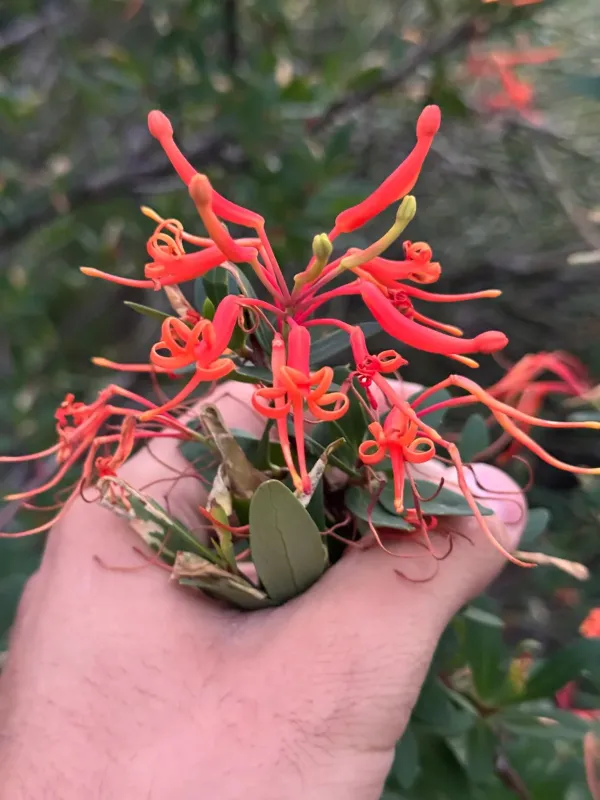
Embothrium coccineum, commonly known as the Chilean firebush, is an evergreen shrub or small tree belonging to the Proteaceae family. It originates from the temperate rainforests of Chile and Argentina.
The plant thrives in cool, oceanic climates with high humidity and is highly sensitive to extreme heat and prolonged droughts. It performs best in regions that mimic its natural habitat's moderate temperatures and rainfall.
For successful growth, it requires well-drained, acidic soil that is low in phosphorus. Due to its sensitive root system, which is adapted to nutrient-poor soils, avoiding heavy fertilizers is essential for long-term health.
A sunny or partially shaded position is preferred, provided the plant is protected from strong, desiccating winds. The soil should remain consistently moist but never waterlogged to ensure the plant's survival.
Botanically, it is noted for its spectacular display of bright scarlet, tubular flowers that emerge in spring and early summer. It is widely considered one of the most striking ornamental plants for temperate gardens.
Main diseases and pests
The most significant threat to Embothrium coccineum is Phytophthora root rot, a fungal pathogen triggered by waterlogged conditions. Once the roots are affected, the plant often cannot recover, leading to rapid decline.
Pests like scale insects and spider mites may occasionally infest the plant, particularly if it is grown in environments with poor air circulation or low humidity. Routine inspection of the foliage is recommended to manage these issues.
Chlorosis is a frequent issue if the plant is grown in alkaline soil, as it inhibits the uptake of essential micronutrients like iron. Maintaining an acidic pH level is the primary defense against this condition.
Disturbance of the root zone is highly detrimental to the health of the firebush. Gardeners should avoid deep cultivation or hoeing near the base of the plant to prevent damage to the delicate root structures.
Severe frost or fluctuating winter temperatures can lead to tissue damage in younger specimens. Providing adequate shelter or fleece protection during the first few years of establishment is a common practice in cooler climates.