
Embelia
Embelia
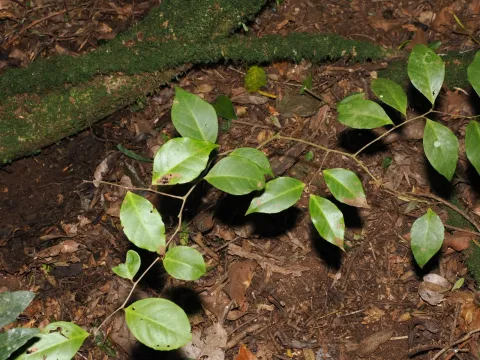
Embelia is a genus of flowering plants belonging to the Primulaceae family. It consists of climbing shrubs or woody vines primarily native to the tropical and subtropical regions of Asia, Africa, and the Pacific islands.
What the section contains


Embelia
The plant thrives in warm, humid climates and is highly intolerant to frost. It requires a stable temperature range between 20°C and 30°C to achieve optimal physiological development and fruit production.
Soil requirements for Embelia involve well-draining, nutrient-rich loamy soils with a slightly acidic to neutral pH. It is crucial to maintain consistent soil moisture throughout the growing season.
Propagation is typically carried out via seeds or stem cuttings. Due to its climbing nature, the use of trellises or natural tree supports is necessary for intensive cultivation management.
Light intensity should be managed to avoid scorching; partial shade is generally preferred during the early stages of growth to mimic the forest floor canopy.
Root rot caused by Oomycetes and various fungal species remains the primary threat, especially in soils with poor aeration or excessive irrigation cycles.
Common pests include spider mites and scale insects that thrive in dry air or when the plants are grown in confined, poorly ventilated greenhouses.
Leaf blight can occasionally occur during prolonged rainy seasons, significantly reducing the biomass required for the harvesting of medicinal leaves or fruits.
Integrated pest management (IPM) strategies, including the use of neem-based oils or beneficial insects, are recommended for organic production standards.
Regular monitoring for viral infections that cause leaf mottling or stunting is vital to prevent yield losses in established botanical plantations.