
Embelia angustifolia
Embelia angustifolia
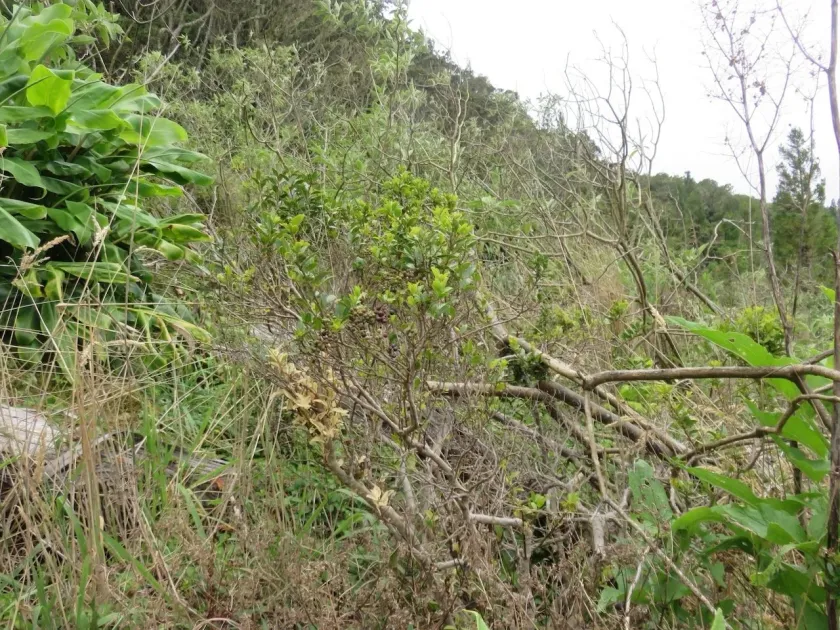
Description
Growing requirements
Embelia angustifolia is a tropical shrub species belonging to the Primulaceae family, specifically the Myrsinaceae subfamily. It is native to the warm, forested regions of Asia, where it thrives in high-humidity climates with consistent year-round warmth.
The cultivation of this plant requires specific environmental parameters, primarily avoiding frost-prone areas. It prefers ambient temperatures ranging from 22°C to 30°C and thrives in environments where humidity remains consistently above 70 percent throughout the growing cycle.
Soil quality is paramount for the health of Embelia angustifolia. It requires well-draining, loamy soil enriched with organic matter. A pH level ranging from slightly acidic to neutral is considered ideal for nutrient uptake and root system development.
Botanically, the plant is recognized for its narrow, lanceolate leaves and small, distinctive berries. These fruits are the primary interest for agriculture, containing bioactive compounds such as embelin, widely studied for their anthelmintic and antioxidant properties.
Effective agricultural management involves consistent irrigation practices that avoid waterlogging. During the plant's development, providing balanced organic nitrogen and potassium fertilizers supports healthy leaf growth and subsequent fruit yield.
Main diseases and pests
In humid tropical conditions, the plant is susceptible to various fungal pathogens, particularly root rot, which typically occurs due to poor soil drainage or inadequate spacing between individual shrubs in the field.
Common pests that affect the biomass of the plant include scale insects and spider mites. These pests damage the foliage and can transmit secondary infections, negatively impacting the overall vitality and production capacity of the crop.
Integrated Pest Management (IPM) is highly recommended for this crop. Utilizing predatory insects and specific biological controls helps maintain the pharmacological safety of the fruits while controlling pest population spikes.
Sanitation practices are essential for preventing the spread of diseases. Farmers should ensure regular pruning of deadwood and infected leaves, which facilitates air circulation and lowers the prevalence of damp-loving fungal spores.
Effective monitoring and scouting schedules are critical. Periodic assessment of the plantation allows for early intervention, protecting the crop from substantial loss and ensuring a consistent supply of medicinal quality material.