
Embelia schimperi
Embelia schimperi
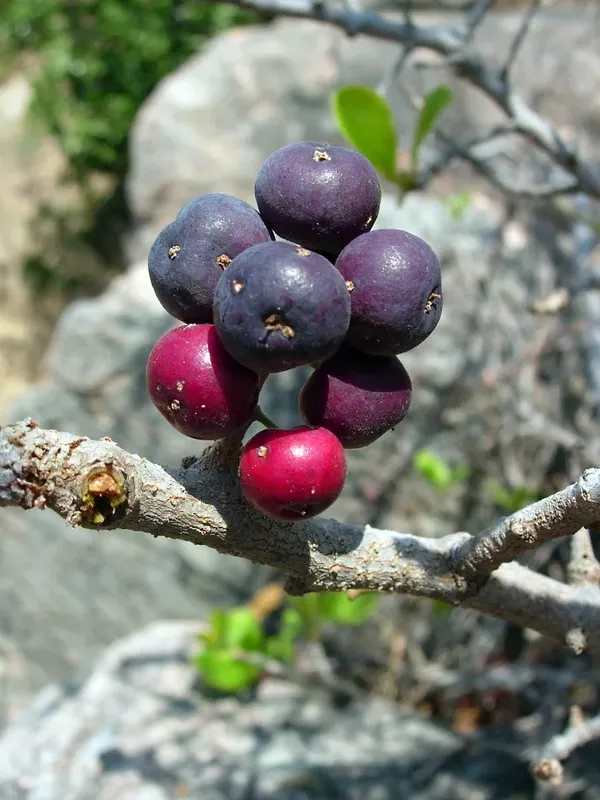
Description
Growing requirements
Embelia schimperi is a climbing shrub or woody liana belonging to the Primulaceae family. Native to the mountainous regions of tropical Africa, this plant thrives in the understory of dense forests and woody savannahs, where it benefits from a stable microclimate.
Successful cultivation of this species requires well-drained, humus-rich soil that maintains consistent moisture levels. The plant is highly adapted to tropical conditions, preferring areas with high relative humidity and protected environments away from direct, harsh sunlight.
The climate requirements include warm temperatures throughout the year. It does not tolerate frost, making it suitable primarily for tropical or controlled greenhouse environments where seasonal temperature fluctuations are minimized.
Agricultural management involves providing structural support for the climbing stems, as the plant naturally tends to scramble over neighboring vegetation. Periodic pruning is essential to maintain plant health and encourage the development of lateral fruiting branches.
The economic utilization of Embelia schimperi is centered on its medicinal properties. The berries are harvested and processed for their anthelmintic and therapeutic compounds, which are historically significant in indigenous pharmacopoeia.
Main diseases and pests
Root rot is the most significant pathological threat to the crop, often triggered by waterlogged soil conditions. Ensuring a robust drainage system in the plantation area is critical to preventing the loss of plants to soil-borne fungi.
Insect pests, including aphids and various leaf-feeding caterpillars, represent a constant challenge for foliage health. Integrated pest management strategies, utilizing selective biological controls, are recommended to maintain plant vigor.
Fungal leaf spots can proliferate in high-humidity environments, especially when airflow is restricted. Proper spacing between plants and canopy management are vital to reduce the incidence and spread of these fungal infections.
Nematode infestations can severely compromise the root system, particularly in long-term cultivation sites. Implementing crop rotation and using organic soil amendments can help manage nematode populations naturally.
Vigilance is required during the rainy season when rapid pathogen spread is common. Regular inspection and the immediate removal of any diseased plant tissues are standard practices to secure a healthy harvest.