
Embelia ribes
Embelia ribes
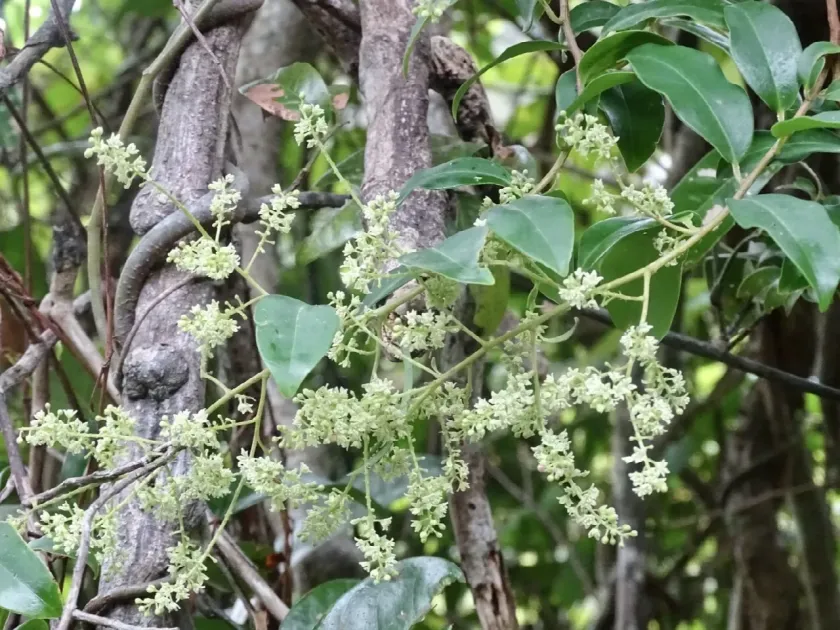
Description
Sowing dates
Embelia ribes is a perennial woody climbing shrub, so seed propagation is typically conducted in nurseries under controlled climatic conditions. The seeds require pre-sowing stratification to improve germination rates, as the seed coat is notably hard and resistant to moisture absorption.
The optimal sowing time in natural tropical environments aligns with the beginning of the rainy season, which provides the necessary humidity for emerging seedlings. The soil must be well-drained and enriched with organic matter to support vigorous root system development during the early growth stages.
After germination, seedlings are raised in containers until they reach a height of 30–40 centimeters before being transplanted to their permanent location in forest or orchard plantations. This approach minimizes the risk of plant mortality due to desiccation or mechanical damage in open fields.
Planting density is calculated based on the plant's natural climbing habit; it is essential to provide adequate space for trellises or support trees for the vine to thrive. The ideal spacing between seedlings typically ranges from 2 to 3 meters, depending on the intensity of sunlight exposure.
The growth process of Embelia is relatively slow in the first two years of life, necessitating strict weed management. Regular weeding and mulching of the root zone help conserve soil moisture and nutrients, which are critical for forming a strong, healthy main stem during the establishment phase.
Growing requirements
The plant originates from the humid tropical forests of India, Sri Lanka, and Southeast Asia, making high air humidity a critical environmental factor. The crop prefers regions with abundant rainfall and minimal diurnal temperature fluctuations throughout the vegetative growth period.
Soils for Embelia should possess excellent water permeability and exhibit a slightly acidic to neutral pH. Waterlogging in the root zone is detrimental to the plant, so when establishing plantations on heavy soils, drainage systems or raised beds are mandatory to prevent root rot.
The crop requires protection from direct, harsh sunlight during its youth, often being grown as an understory plant in the shade of taller trees. Mature specimens can tolerate partial exposure, though stable, dappled light is preferred for optimal fruit productivity and physiological health.
The temperature optimum for Embelia ribes growth lies between +20 and +30 degrees Celsius. The plant is highly sensitive to frost; even brief exposure to temperatures below freezing leads to irreversible damage to the aerial parts of the vine and a subsequent significant reduction in yield.
In regions with distinct dry seasons, regular irrigation is essential to simulate the conditions of its native humid habitat. Drip irrigation systems allow for the maintenance of stable soil moisture, which directly influences the biochemical composition and potency of the plant's mature berries.
Yield
The productive part of Embelia ribes consists of its fruits, which are small, spherical drupes arranged in dense racemes. Yield potential depends heavily on the vine's age, with active fruit production typically commencing 3 to 5 years after transplantation to the permanent site.
Average yield from a single mature plant can reach several kilograms of dried berries when all agronomic best practices are followed. The fruits are harvested at the peak of maturity, when they achieve a characteristic dark reddish-black color and reach the desired firmness.
After harvesting, the produce undergoes cleaning to remove debris and is subjected to mandatory drying in shaded, well-ventilated areas. Proper drying is crucial to preserve the high concentration of embelin, the primary biologically active compound for which this crop is valued.
The quality of the harvest is determined by the timing of collection: premature harvesting leads to a loss of therapeutic properties, while leaving fruits to over-mature on the vine can increase susceptibility to fungal infections. Experienced growers practice selective harvesting as individual clusters reach ripeness.
Storage of the collected raw material requires airtight containers with protection against moisture, as dried berries are hygroscopic and can quickly lose their marketability. When stored correctly in cool, dry conditions, the herbal material retains its properties for 1–2 years.
Main diseases and pests
Embelia ribes is susceptible to various fungal diseases that thrive in conditions of excessive humidity and poor canopy ventilation. Powdery mildew is a common issue, manifesting as a white coating on leaves and interfering with photosynthetic efficiency throughout the plant's development.
Root rots, caused by pathogenic fungi such as Fusarium or Pythium species, frequently occur if soil drainage is compromised. Prevention strategies include strictly managed irrigation schedules and the application of appropriate fungicidal treatments at the earliest signs of infection.
Among pests, various leaf-eating insects and caterpillars pose the greatest threat, as they are capable of defoliating large sections of the plant in a short timeframe. Limiting pest access is best achieved through the use of eco-friendly neem-based insecticides as a primary preventative measure.
Aphids and whiteflies may colonize young shoots, sap-sucking and weakening the vine's natural defenses. Routine monitoring of foliage condition and timely, targeted treatments allow for the suppression of pest populations without compromising the quality of the eventual fruit harvest.
Nematodes, which infest the root system, represent a hidden but serious threat to plantation productivity. To prevent their proliferation, crop rotation and the integration of nematode-suppressing cover crops are recommended before establishing a new plantation site.
Harvesting
Harvesting Embelia ribes is primarily a manual labor-intensive process, as the fruits are borne on climbing vines that require careful handling. The harvesting window is strictly regulated by the period of physiological maturity, which occurs in the season immediately following the monsoon rains.
Workers carefully snip the fruiting clusters, taking care not to damage the main vine, which is expected to continue producing fruit for many years. The use of secateurs minimizes mechanical wounding of the plant and promotes faster healing of the harvest sites.
Once collected, the fruits are sorted to remove damaged, immature, or insect-infested specimens. The quality of this initial sorting process directly dictates the market value of the finished medicinal material and its overall pharmacological efficacy in downstream processing.
The drying process involves several stages: first, the berries are partially dried in the sun, followed by finishing in covered, temperature-controlled dryers. Avoiding high heat is essential to prevent the degradation of thermolabile active compounds located in the skin and seeds of the fruit.
The final dried product is packed in natural fiber bags or containers that ensure adequate airflow, preventing the growth of molds. Product readiness is evaluated based on the shift in color to dark brown and the characteristic spicy, slightly pungent aroma inherent to high-quality produce.