
Dionysia
Dionysia Fenzl
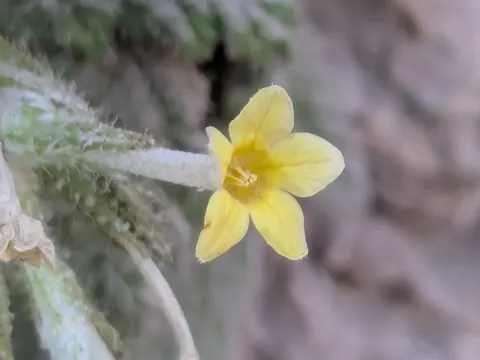
Dionysia (lat. Dionysia Fenzl) is a genus of perennial herbaceous plants belonging to the Primulaceae family. This culture predominantly consists of cushion-forming plants that naturally inhabit crevices in rocky mountain slopes.
What the section contains

Dionysia
Geographically, Dionysia species originate from the high-altitude regions of Central and Southwestern Asia, specifically Iran, Afghanistan, and surrounding areas. They are adapted to extreme mountain conditions characterized by sharp temperature fluctuations and limited substrate moisture.
Botanically, Dionysia is characterized by a dense shoot structure forming compact cushions, which serves as a protective mechanism against desiccating winds. The leaves often feature pubescence or a farinose coating, aiding in moisture retention and protection against excessive solar radiation.
Soil requirements for these plants are highly specific: they demand a poor, well-drained mineral substrate consisting primarily of gravel, sand, and minimal organic matter. The most critical condition is the prevention of water stagnation to avoid root rot.
In ornamental horticulture, Dionysia is prized for its early and prolific blooming, where small cushions become completely covered in bright solitary flowers. It is considered a challenging crop, recommended primarily for greenhouses or specialized alpine rock gardens with protection from summer rains.
The primary threat to Dionysia consists of fungal diseases that develop under conditions of excessive air and soil humidity. High humidity during the autumn and winter months without adequate ventilation frequently leads to the decay of the root system.
Pests, such as the spider mite, may affect plants under indoor growing conditions when ambient humidity is low. Regular monitoring and adherence to quarantine protocols in greenhouses help minimize the risks of losing valuable specimens.
Improper watering represents another significant problem, causing collar rot. It is strongly recommended to water through a tray system to avoid direct contact of water droplets with the dense leaf rosettes, which is crucial for disease prevention.
High light intensity is essential for maintaining the health of the culture, although light shading is necessary during hot summer months to prevent leaf scorch. Insufficient light levels lead to elongated shoots and the loss of the plant's characteristic compact shape.
To protect against weeds and ensure soil aeration, the surface surrounding the Dionysia is mulched with fine gravel. This practice also prevents the lower part of the rosette from contacting damp soil, significantly reducing the likelihood of infection.