
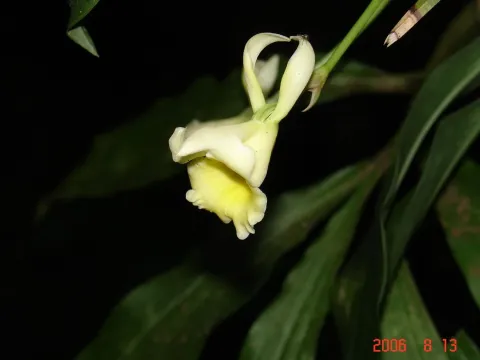
Stenotyla
Stenotyla
Stenotyla is a genus of epiphytic plants belonging to the Orchidaceae family. Naturally occurring in the tropical rainforests of Central and South America, these plants have adapted to high-humidity environments and specific light conditions.
What the section contains

Stenotyla
For successful cultivation, the relative humidity must be strictly maintained between 70% and 80%. Exposure to direct sunlight is harmful, so filtered or ambient light is necessary to mimic the canopy conditions of their native habitat.
The growing medium should consist of high-quality pine bark, sphagnum moss, and charcoal to promote root aeration. Proper drainage is essential, as stagnant water will lead to root rot very quickly in this species.
Temperature requirements generally fall between 18°C and 24°C, with stable conditions being preferred for active growth. Fertilization must be done carefully using orchid-specific formulas to avoid salt buildup.
Economically, Stenotyla is utilized primarily in the hobbyist orchid market and botanical research. Its unique morphology makes it a sought-after subject for orchid enthusiasts specializing in tropical flora.
Fungal infections remain the primary threat to the health of Stenotyla plants, often caused by poor ventilation or improper water management during cooler periods.
Common pests include spider mites, which thrive in low-humidity environments, as well as mealybugs and scale insects. These pests feed on the sap and can weaken the plant significantly.
Integrated pest management involves regular inspections of leaf axils and the undersides of leaves. If an infestation occurs, systemic insecticides should be used according to the manufacturer’s guidelines.
Root rot is the most common physiological disorder, usually resulting from overwatering or a degraded substrate. Once the roots are compromised, recovery is difficult and often requires emergency repotting.
Prevention includes maintaining optimal hygiene in the growing space, ensuring adequate airflow, and isolating new plants to prevent the introduction of pathogens or pests into the collection.