
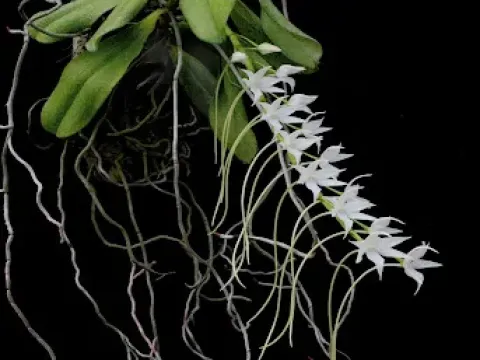
Oeoniella
Oeoniella
Oeoniella is a genus of monopodial epiphytic orchids belonging to the Orchidaceae family. Native to the tropical forests of Madagascar and nearby Indian Ocean islands, these plants are well-adapted to high-humidity environments and consistent tropical temperatures.
What the section contains


Oeoniella
For optimal growth, Oeoniella requires a warm climate with daytime temperatures ranging between 22°C and 26°C. It is crucial to prevent the nighttime temperature from falling below 16°C to avoid physiological stress and ensure continued metabolic activity.
Maintaining high air humidity levels, ideally between 70% and 80%, is essential for this species. In greenhouse or indoor cultivation, this can be achieved through regular misting, the use of ultrasonic humidifiers, or the installation of humidity trays beneath the pots.
The potting medium must be highly porous to provide adequate aeration for the orchid's aerial roots. A standard mix typically includes small-grade pine bark, charcoal, and sphagnum moss, which effectively mimics the natural environment of tree bark on which these epiphytes grow.
Bright but indirect sunlight is vital for the development of Oeoniella. Direct exposure to intense sun during the middle of the day can lead to leaf scorch, so using sheer curtains or greenhouse shading materials is recommended to filter the light appropriately.
Bacterial and fungal infections are the primary threats to Oeoniella, particularly when water accumulates in the leaf axils or stagnant air conditions persist. These pathogens typically manifest as soft, water-soaked spots, requiring immediate removal of affected tissue and fungicide application.
Common pests that infest this orchid include mealybugs and scale insects, which feed on the sap and weaken the plant structure. These pests can reproduce rapidly, necessitating early detection and manual removal or chemical intervention to manage the infestation.
Spider mites are a significant concern, especially in environments where humidity levels fluctuate or become too low. They cause chlorosis and eventual necrosis of the foliage, leaving a fine, dusty web across the undersides of the leaves as a diagnostic sign.
Ensuring proper ventilation is a cornerstone of pest and disease prevention. Consistent air circulation helps to regulate surface temperature and ensures that moisture evaporates effectively from the leaves, discouraging the growth of harmful fungi and mold.
If chemical control becomes necessary, it is important to select systemic treatments labeled for use on orchids. Applying treatments according to the prescribed dosage helps ensure plant safety while effectively neutralizing the pest populations impacting the collection.