
Orchis
Orchis L.
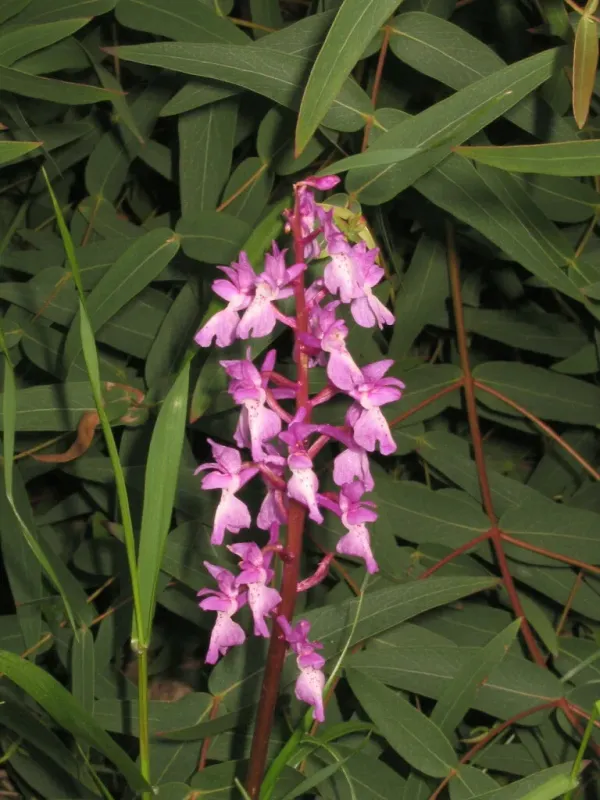
Description
Growing requirements
Orchis (genus Orchis L.) is a genus of perennial plants in the Orchidaceae family. Known for their tuberous roots, these plants are native to the temperate and subtropical regions of the Northern Hemisphere, often found in grasslands, meadows, and sparse woodlands.
Successful cultivation requires soil that mimics the natural calcareous environment. The substrate should be highly porous, rich in organic matter, and well-drained, as Orchis species are extremely sensitive to stagnant water which causes immediate root decay.
The biological success of Orchis depends on mycorrhizal fungi. These fungi establish a symbiotic relationship with the orchid's root system, aiding in nutrient uptake. In agronomic practice, preserving soil health and avoiding harsh chemical fertilizers is essential to support this symbiosis.
The climate requirements for Orchis involve temperate conditions with seasonal shifts. While they are hardy enough to survive cold winters, they require consistent moisture during the growing season and protection from harsh, direct sunlight during the peak of summer.
Vegetative propagation is the preferred agronomic method for maintaining stable stock. By carefully dividing the daughter tubers after the growing season, producers can expand their planting areas while maintaining the plant's genetic integrity and health.
Main diseases and pests
Root rot and fungal infections pose the primary threat to Orchis cultivation. These issues often arise due to poor irrigation management or excessive humidity levels in the planting substrate, leading to the rapid decay of the tubers.
Common pests include thrips, aphids, and spider mites, which feed on the sap of tender leaves and inflorescences. If left unchecked, these infestations can severely stunt the plant’s growth and reduce the quality of the harvested tubers.
Slugs and snails present a significant danger, particularly to newly sprouted shoots. Farmers must monitor fields closely during the early stages of the growing season to prevent these pests from destroying young plants.
Integrated pest management (IPM) is crucial. This includes cleaning debris from the field, using biological controls, and applying targeted fungicides only when necessary to prevent the spread of diseases within the colony.
Soil-borne nematodes can also affect the vigor of Orchis. Regular soil testing and proper crop rotation strategies are recommended to maintain a healthy growing environment free from persistent pathogens.
Harvesting
The primary agricultural product derived from Orchis is salep, a nutrient-dense powder made from the dried tubers of the plant. Salep is historically and commercially significant for its medicinal, culinary, and thickening properties.
The harvesting process begins once the plant's foliage turns yellow, indicating that the life cycle for the season is ending. At this stage, the young tubers are rich in mucilage, which is the key component for high-quality salep production.
After extraction from the soil, the tubers must be thoroughly washed to remove all dirt. Then, they are scalded in boiling water for a short period. This critical step halts the enzymatic activity and prepares the tubers for drying.
Drying is performed under controlled conditions to ensure that the tubers lose their moisture content while retaining their chemical composition. The final product should be hard, translucent, and easily ground into a fine, beige-colored flour.
Salep is widely utilized in the food industry as a base for traditional hot beverages and as a stabilizer in dairy-based foods. In pharmacology, it is valued as an emollient and soothing agent for digestive system health.