
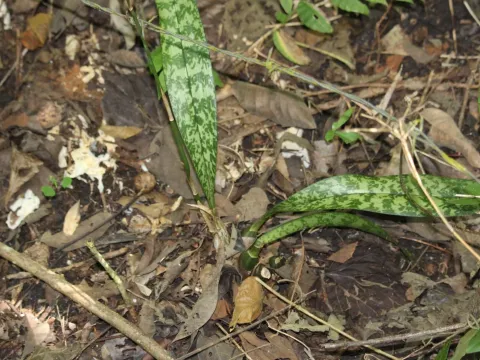
Oeceoclades
Oeceoclades
Oeceoclades is a fascinating genus of terrestrial orchids belonging to the Orchidaceae family. These plants are native to tropical and subtropical regions, primarily found across Africa and Madagascar, where they thrive in forest floors.
What the section contains


Oeceoclades
Unlike epiphytic orchids, Oeceoclades species grow directly in the ground, which requires a specific approach to their root environment. They possess specialized pseudobulbs that store water, helping them withstand fluctuating moisture levels in their native habitat.
To cultivate these orchids successfully, providing a well-draining, nutrient-rich, yet airy growing medium is essential. A mix consisting of fine bark, perlite, and organic humus is recommended to simulate the natural forest substrate they prefer.
Light requirements for Oeceoclades are moderate; they prefer bright, indirect sunlight. Direct sun exposure can lead to leaf scorch, while too much shade may prevent the plant from producing its characteristic blooms.
Climate control is critical for this crop. They require consistent temperatures ranging from 20 to 26 degrees Celsius. Protecting the plants from freezing temperatures and cold drafts is mandatory for year-round vigor.
Common pests affecting Oeceoclades include mealybugs and scale insects. These parasites tend to hide in the tight spaces between the leaf bases and the pseudobulbs, often remaining unnoticed until the infestation is significant.
Spider mites are a major concern during dry seasons or in indoor environments with low humidity. Regular misting and proper ventilation help mitigate the risk of mite proliferation on the foliage.
Root rot remains the most common threat to plant health, usually resulting from overwatering or poorly aerated soil. Maintaining a proper watering cycle where the substrate is allowed to partially dry is the best prevention method.
Fungal leaf spot diseases may occur in environments with poor air circulation. Proper spacing between individual plants and the use of fans for airflow can significantly reduce the incidence of such pathologies.
Integrated pest management is recommended for larger collections. This includes regular inspection, physical removal of pests, and targeted use of fungicides or insecticides only when necessary to protect the plant's health.