
Northern marsh orchid
Dactylorhiza purpurella
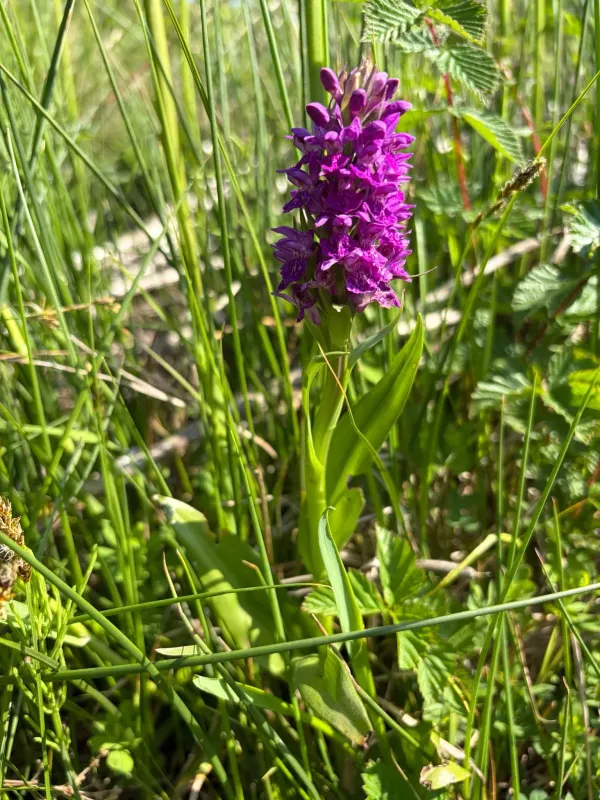
Description
Growing requirements
The Northern marsh orchid (Dactylorhiza purpurella) is a perennial herbaceous plant belonging to the Orchidaceae family. While not a conventional agricultural crop, it is a significant species in the context of wild flora conservation and specialized botanical cultivation within Europe.
The native range of the species is centered in the northwest of Europe, including regions of the UK, Ireland, and Scandinavia. It thrives in damp environments such as marshes, wet meadows, and coastal dune slacks, preferring soils with a neutral to slightly alkaline reaction.
Botanically, the plant is characterized by its dactyl-shaped (finger-like) tubers and a sturdy stem that can grow up to 50 centimeters in height. Its leaves are typically lanceolate and may exhibit purple spots, which is a common diagnostic feature for identifying this specific orchid species.
Growth requirements are strictly dictated by its need for consistent soil moisture and symbiotic mycorrhizal fungi. Without these soil fungi, the plant cannot properly absorb nutrients, making it highly dependent on undisturbed soil microflora for successful growth and development.
Economically, the species serves no role in large-scale agriculture but holds value for biodiversity and specialized horticulture. Maintenance involves protecting the natural hydro-regime of its habitat and avoiding any chemical interventions, as the species is highly sensitive to soil pollutants.
Main diseases and pests
The primary threats to the Northern marsh orchid include habitat loss due to land drainage and environmental degradation. Changes in hydrological conditions often destroy the essential mycorrhizal network, leading to a rapid decline in the plant population in its natural range.
Pests and diseases include slugs and snails, which can severely damage the foliage and flowering stems during the growth season. Additionally, soil-borne fungal pathogens may affect the root system if the soil remains stagnant or if the site's ecological balance is disturbed.